 Get A Quote



 English
 中文简体
An electric standing desk uses a powered lifting mechanism to adjust the desktop height. With a control panel or programmable keypad, users can move the desk between sitting and standing positions without manually turning a crank or removing equipment from the desktop. This convenient adjustment process makes it easier to accommodate different users and daily work requirements.
For office furniture buyers, understanding the structure, operating features, and practical applications of these desks helps determine which models are appropriate for different workplace environments.
What Makes Electric Height Adjustable Standing Desks Different?
The main difference between electric height adjustable desks and traditional office desks is the powered lifting system. Instead of maintaining a fixed desktop height, an electric model uses a motor-driven mechanism to raise or lower the work surface.
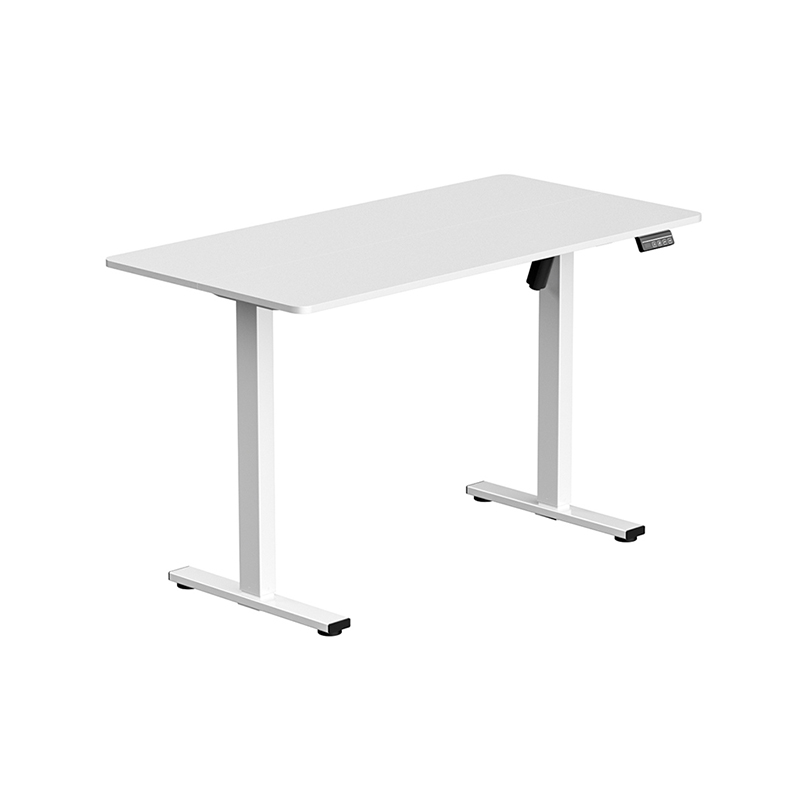
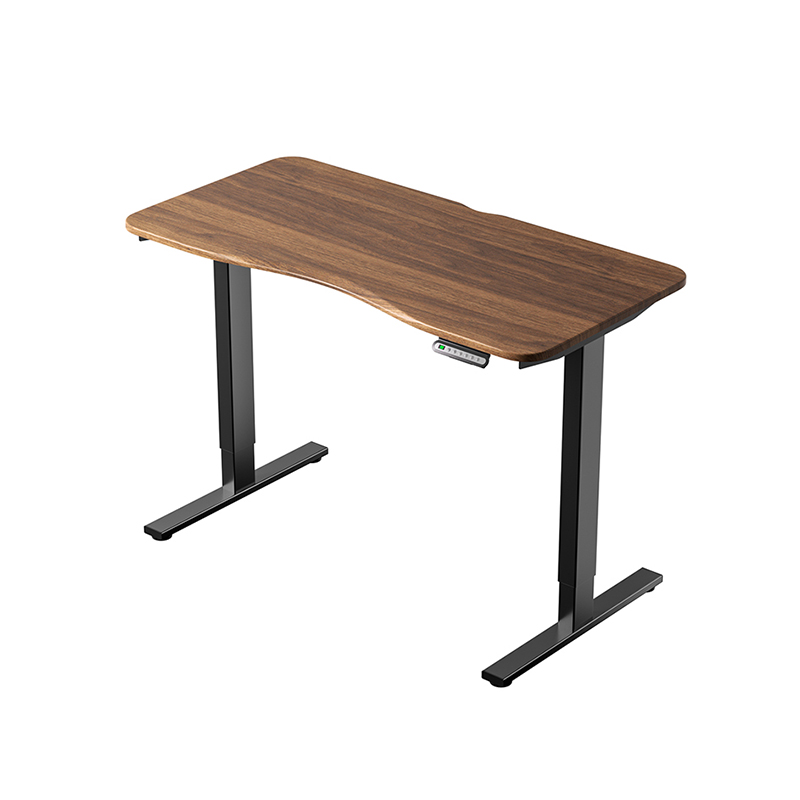
Most models consist of a desktop, a steel or aluminum frame, lifting columns, an electric motor system, a control unit, and a power supply. Depending on the model, the lifting mechanism may use one motor or multiple motors. The frame supports the desktop, while the lifting columns guide vertical movement.
A control panel allows users to operate the desk with simple button presses. Some models include memory presets that store preferred sitting and standing heights. This feature is particularly useful in shared offices where several employees use the same workstation.
The adjustment range is another important specification. A desk must reach a suitable seated height for the intended user while providing sufficient clearance for standing work. Buyers should review the minimum and maximum desktop heights rather than relying solely on a general product description.
Electric height adjustment also reduces the physical effort involved in changing positions. Employees can adjust their desks during the working day without interrupting their tasks for an extended period.
Practical Benefits in Different Work Environments
Supporting Flexible Working Postures
A height adjustable desk allows users to alternate between sitting and standing according to their preferences and work schedules. Standing for a period can provide a change from prolonged sitting, while sitting remains useful for tasks that require extended concentration or precise hand movements.
The value of this flexibility depends on how employees use the desk. A suitable adjustment range, convenient controls, and a stable frame can make position changes easier to incorporate into normal routines.
Accommodating Different Employees
Offices often serve employees with different heights, body proportions, and ergonomic preferences. A fixed desk may fit one employee comfortably but require another to adjust their chair or working posture.
Electric Height Adjustable Standing Desks provide a wider range of desktop heights. In shared workspaces, memory settings can help individual users return to their preferred positions quickly. This flexibility can also simplify furniture planning for companies with rotating workstations.
Supporting Home Offices
Home offices frequently have limited space and may be used for several activities throughout the day. An electric standing desk can serve as a workstation for computer-based work, video meetings, writing, and administrative tasks.
When selecting a model for home use, buyers should consider desktop dimensions, motor noise, cable management, and available adjustment space. The desk should fit the room without obstructing doors, storage units, or walking areas.
Adapting to Collaborative Workplaces
In coworking spaces and flexible offices, one workstation may be used by several people. An adjustable desk can accommodate different working preferences without requiring separate furniture for every employee.
For commercial projects, however, adjustment convenience is only one consideration. Frame durability, operating reliability, maintenance requirements, and the availability of replacement components also influence long-term usability.
Important Features to Evaluate Before Purchasing
Not all electric standing desks offer the same specifications. Buyers should compare several technical factors before choosing a product.
Lifting capacity: The stated load capacity indicates how much weight the desk can support under specified conditions. Consider the desktop, monitors, computer equipment, accessories, and other items placed on the surface.
Height adjustment range: Check the lowest and highest positions to confirm that the desk accommodates the intended users. A wider range may be useful in shared environments, but the actual dimensions must suit the project.
Frame stability: The desk should remain stable during normal typing and when raised to a standing height. Frame geometry, lifting-column construction, desktop dimensions, and assembly quality can all affect stability.
Motor performance: Review the lifting speed, operating noise, and expected duty cycle. These factors become particularly relevant in offices where desks are adjusted frequently.
Control system: Basic up-and-down buttons may be sufficient for some applications. Programmable memory settings, digital displays, and other controls can improve convenience in more demanding workplaces.
Safety features: Anti-collision functions may help reduce the risk of damage when the moving desktop encounters an obstacle. Buyers should confirm how the feature works and whether it is included in the selected model.
Power and cable management: Check the power supply requirements and the availability of cable trays, clips, or other cable-routing accessories. Organized wiring can make the workstation easier to maintain.
How Businesses Can Choose the Right Desk Configuration
A successful office furniture project begins with the intended application. Individual workstations may prioritize desktop size and personal comfort, while large office installations may place greater emphasis on standardized dimensions, consistent appearance, and service support.
For example, a workstation for a single monitor and laptop may require a smaller desktop than a desk supporting several monitors and other equipment. A purchasing team should estimate the total load and compare it with the manufacturer's stated capacity.
The available office layout also affects selection. Measure the installation area and account for the movement of the desktop, nearby cabinets, wall-mounted equipment, and power cables. A desk that fits at its lowest position may encounter obstructions when raised.
For bulk purchases, businesses should ask suppliers about sample evaluation, production lead times, packaging, warranty terms, spare parts, and quality inspection procedures. They should also confirm whether the listed specifications apply to the exact model being quoted.
Electric Height Adjustable Standing Desks offer powered height adjustment, flexible workstation configurations, and convenient controls for modern offices. Their usefulness depends on the relationship between adjustment range, lifting capacity, stability, motor performance, and the needs of the intended users.
By evaluating these factors before purchasing, businesses can select desks that fit their office layouts and daily working requirements. For manufacturers, distributors, and commercial furniture buyers, clear product specifications and dependable supplier support are important parts of a successful procurement process.


 Add: Building18, No. 331, Haidong Road, Lihai Street, Yuecheng District, Shaoxing City, Zhejian, China
 Tel: +86-18057599511 / +86-0575-89291658
 Fax: +86-0575-89291658
 Email:
