 Get A Quote



 English
 中文简体
Office furniture projects increasingly involve a variety of working arrangements. Some employees work primarily at fixed desks, while others share workstations, move between departments, or combine office attendance with remote work. Furniture that accommodates different users and working routines can help businesses create more adaptable work environments.
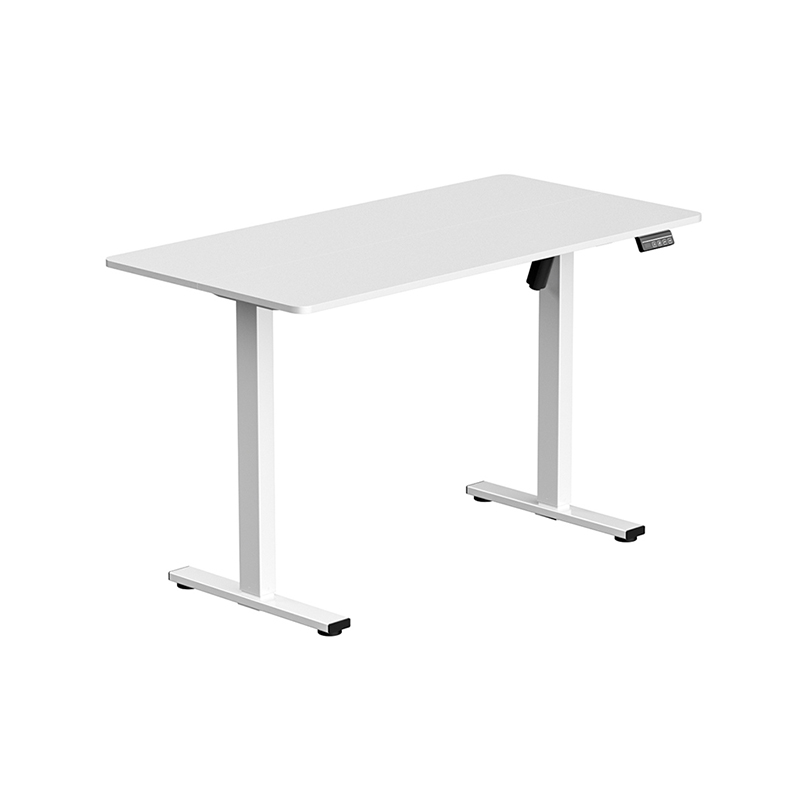
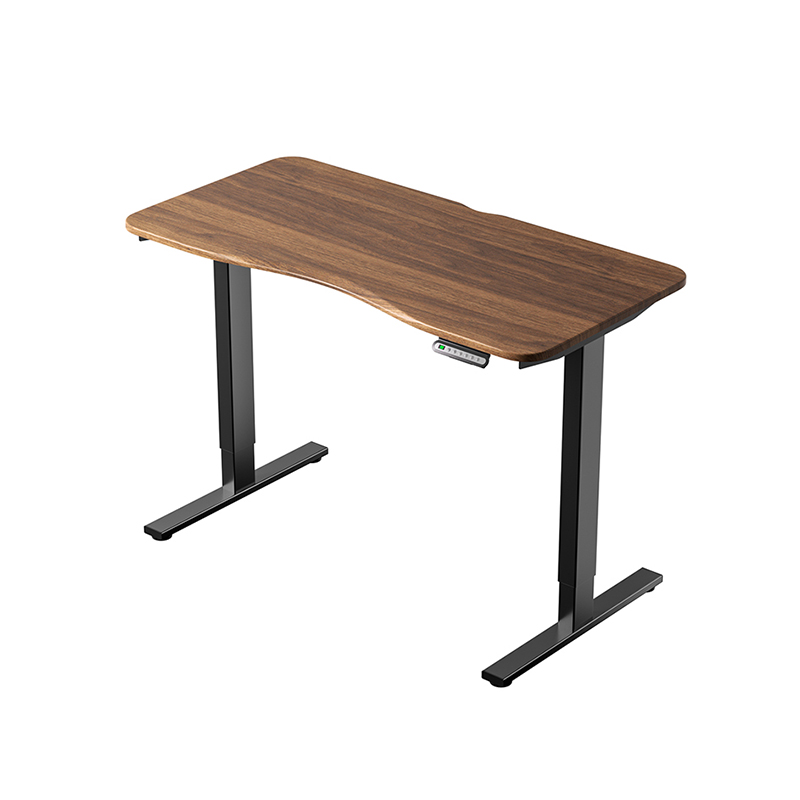
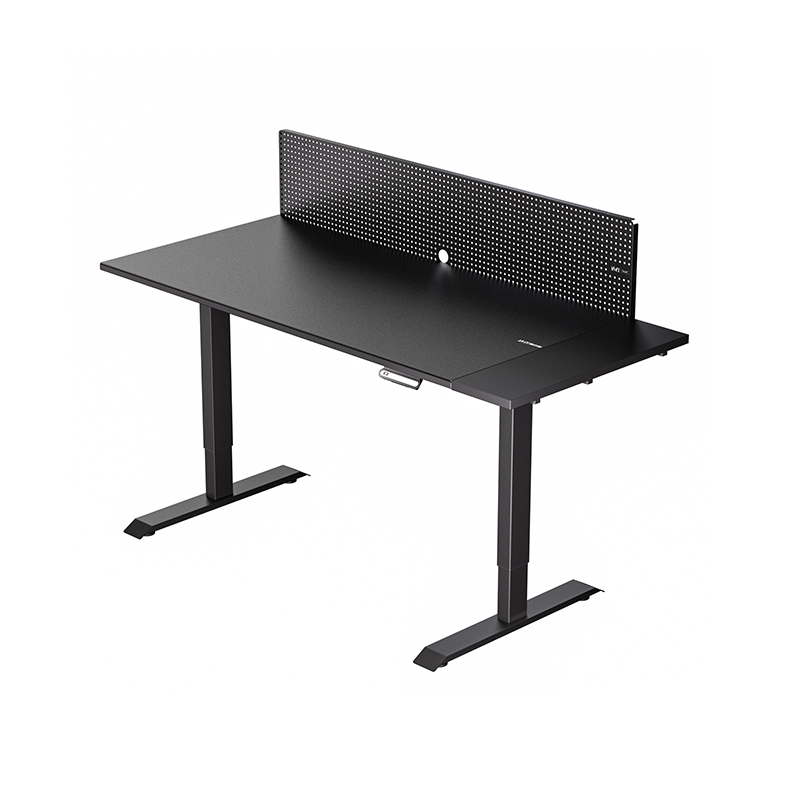
Electric Height Adjustable Standing Desks are one category of furniture used for this purpose. Their motorized lifting systems allow users to adjust the desktop height with a control panel, providing the option to work while sitting or standing.
These desks are available in different sizes, frame configurations, desktop materials, and control systems. They can be specified for private offices, open-plan workspaces, coworking facilities, educational environments, and home offices.
For office furniture manufacturers, wholesalers, project contractors, and procurement teams, understanding the practical applications of electric standing desks can help identify suitable product configurations for different customers.
Supporting Flexible Office Layouts
Traditional office furniture generally maintains a fixed working height. While this arrangement may be suitable for many tasks, it does not accommodate every employee's preferred working position.
Electric height adjustable desks allow the desktop to move between different heights. This flexibility can be useful in offices where employees have different physical dimensions or working preferences.
For example, a company may use adjustable desks in departments where employees spend extended periods working at computers. Employees can alternate between sitting and standing according to their preferences and tasks.
The desk's adjustment range should be appropriate for its intended users. A model with a limited range may not accommodate every employee, even if it includes a powered lifting mechanism.
Businesses should also consider how the desks will be used throughout the day. The usefulness of adjustable furniture depends on employees having enough room to change positions comfortably and being able to operate the controls without difficulty.
Applications in Open-Plan Offices
Open-plan offices often contain multiple workstations arranged in rows or grouped into departments. Furniture consistency can help maintain a coordinated appearance while simplifying purchasing and maintenance.
Electric Height Adjustable Standing Desks can be specified in standardized sizes for these environments. A company may choose one desktop size for general computer work and a larger configuration for employees who require multiple monitors or additional equipment.
The frame finish and desktop material can be selected to match other office furniture. Common considerations include color consistency, edge treatment, surface durability, and compatibility with existing storage systems.
Cable management also plays an important role in open-plan layouts. Each desk requires a suitable power connection, and monitor or computer cables must accommodate desktop movement. Cable trays and routing accessories can help organize wiring and reduce clutter.
For large installations, purchasing teams should verify the floor plan before placing an order. Desk dimensions, chair movement, walkways, storage units, and electrical outlets all affect the final layout.
Use in Coworking Spaces and Shared Offices
Coworking facilities and flexible offices may serve many users with different working preferences. A single workstation could be used by several people over the course of a day or week.
An adjustable desk can accommodate these changing users by allowing each person to set the desktop at a preferred height. Models with memory presets can make this process more convenient by storing several commonly used positions.
For shared environments, control-panel simplicity is worth considering. Users should be able to understand the basic adjustment functions without extensive instructions.
Durability is another purchasing consideration. Desks in shared facilities may experience frequent adjustment, repeated user contact, and regular movement of equipment. Buyers should examine the manufacturer's operating specifications and ask about appropriate maintenance practices.
The product should also be straightforward to inspect and service. Clear assembly instructions, accessible electrical components, and available replacement parts can help facility managers address routine maintenance needs.
Suitability for Home Offices
Home offices often need to accommodate professional work within a room that also serves another purpose. An electric standing desk can provide an adjustable workstation without requiring separate desks for sitting and standing activities.
The appropriate configuration depends on the user's equipment and available space. A compact desktop may suit a laptop and one monitor, while a larger surface may be needed for several screens, paperwork, or other accessories.
Home users may pay particular attention to operating noise, appearance, and cable organization. A frame with a suitable finish and a desktop that matches the surrounding furniture can help the workstation fit into a domestic environment.
Before purchasing, users should measure the room and check the desk's full adjustment range. Nearby shelves, windowsills, wall fittings, and overhead storage should not obstruct the desktop as it rises.
The power cable must also remain safely routed throughout the desk's movement. Cable length and outlet location should be checked before installation.
Applications in Educational and Training Environments
Training rooms, computer laboratories, and certain educational facilities may require furniture that accommodates different users and activities. Adjustable desks can be considered where the work surface needs to serve people of different heights.
In a computer training room, for example, a workstation may be used for individual assignments, demonstrations, or supervised computer tasks. An adjustable desktop can provide flexibility when users change.
However, not every educational setting requires powered height adjustment. Buyers should assess how frequently the desks will be adjusted, who will operate them, and whether the installation environment supports the required electrical connections.
Safety features and operating instructions deserve attention in shared environments. Users should understand how to operate the desk and keep the movement area clear. Facility managers should follow the manufacturer's recommendations for inspection and maintenance.
Factors That Affect Project Procurement
When purchasing Electric Height Adjustable Standing Desks for a commercial project, businesses should establish clear requirements before requesting quotations.
The first step is to identify the number and type of workstations. Consider the tasks performed at each desk, the equipment load, desktop dimensions, and expected frequency of adjustment.
The second step is to define technical requirements. These may include:
-
Minimum and maximum desktop heights.
-
Rated lifting and static load capacities.
-
Motor configuration and lifting speed.
-
Frame dimensions and desktop compatibility.
-
Control-panel functions and memory settings.
-
Anti-collision features and other documented safety functions.
-
Power requirements, cable management, and accessories.
The third step is to evaluate suppliers. Buyers should compare detailed specifications, product samples, production capacity, quality inspection procedures, packaging, and warranty terms.
For international orders, shipping dimensions, carton weight, assembly instructions, and spare-part availability can affect the total cost of procurement. These details should be reviewed alongside the quoted unit price.
Businesses should also clarify whether the quotation includes the desktop, frame, lifting columns, controller, power supply, and accessories. Similar product names do not necessarily indicate identical configurations.
How to Plan a Consistent Furniture Project
A coordinated furniture project requires a clear specification sheet. This document can identify the desk model, desktop dimensions, finish, frame color, control panel, load rating, and required accessories.
For large orders, it is useful to approve a sample before mass production. The sample can be checked for appearance, assembly, adjustment behavior, cable routing, and compatibility with other furniture.
Purchasing teams should also agree on packaging standards and delivery schedules. If desks are being installed at several locations, labeling and documentation can help warehouse staff distribute the correct products to each site.
After installation, employees should receive basic operating instructions. Facility managers should retain the product documentation and know how to contact the supplier about technical issues or replacement components.
Electric Height Adjustable Standing Desks are used in modern office furniture projects because they provide adjustable work surfaces for a range of working environments. Their applications include open-plan offices, coworking facilities, home offices, and selected educational or training spaces.
The most suitable product depends on desktop dimensions, adjustment range, lifting capacity, frame stability, control functions, and the requirements of the installation site. For commercial buyers, defining specifications and verifying supplier capabilities before ordering can help create a consistent, practical, and manageable office furniture project.


 Add: Building18, No. 331, Haidong Road, Lihai Street, Yuecheng District, Shaoxing City, Zhejian, China
 Tel: +86-18057599511 / +86-0575-89291658
 Fax: +86-0575-89291658
 Email:
