 Get A Quote



 English
 中文简体
Noise is a common challenge in modern workplaces. Conversations, telephone calls, office equipment, and group discussions can create a busy working environment, particularly in open-plan offices. Although these layouts support communication and collaboration, they may not provide suitable conditions for every task.
Employees who participate in online meetings, make frequent telephone calls, or work with detailed documents may need a quieter place away from surrounding activities. Silent Pods offer an enclosed workspace intended to reduce the impact of external noise and provide a more controlled environment for individual work and communication.
These products are increasingly relevant to office furniture planning, coworking facilities, educational institutions, and other shared environments. However, the performance of a silent pod depends on its enclosure structure, acoustic materials, door sealing, ventilation, and interior configuration.
Understanding these factors helps businesses select products that match their workspace requirements.
What Are Silent Pods?
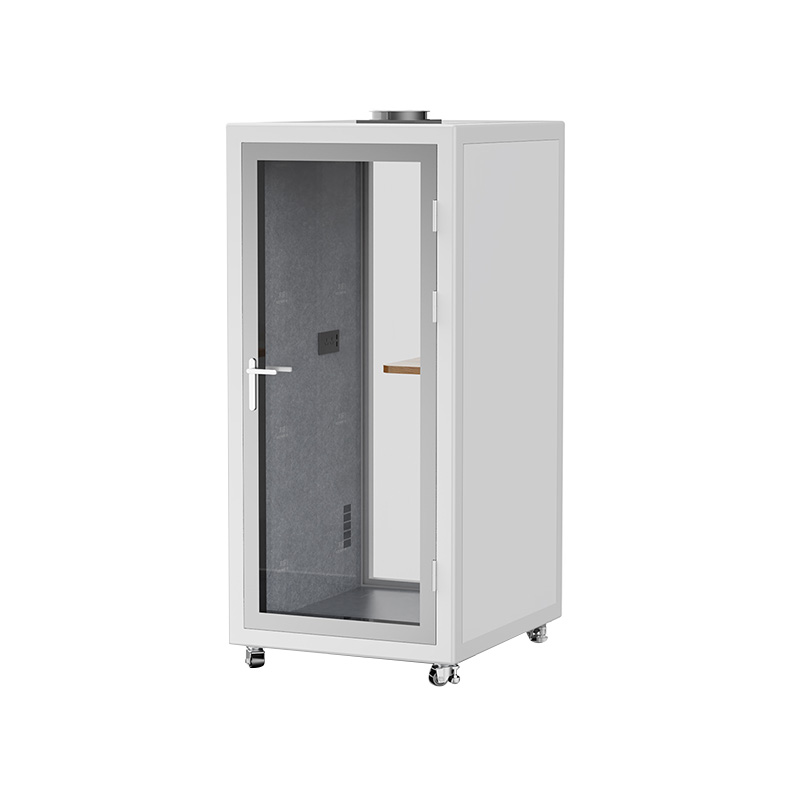
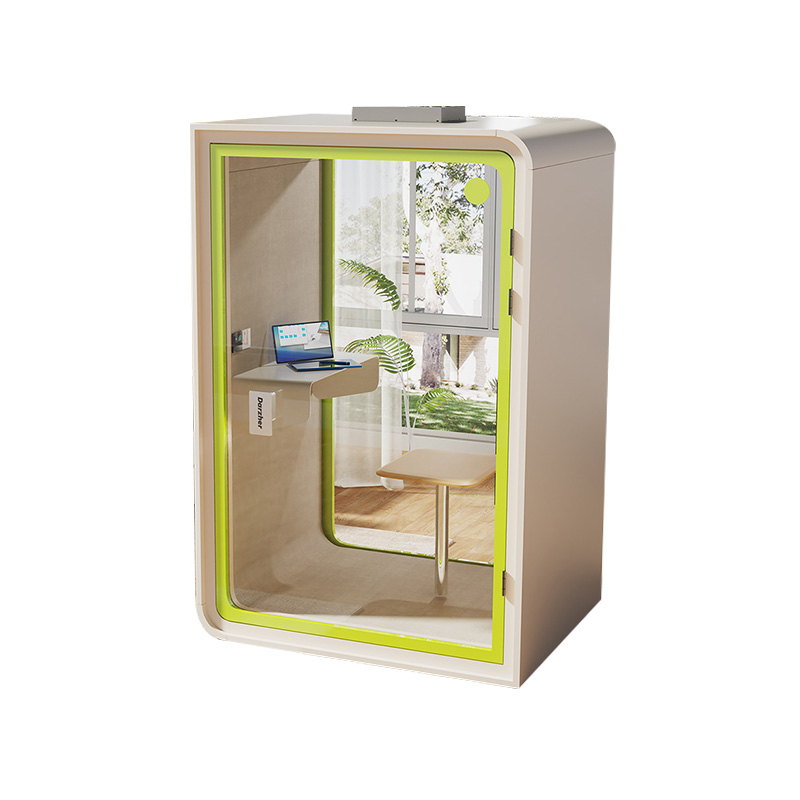
Silent Pods are enclosed workspaces designed to provide users with a quieter area within a larger shared environment. They are generally used for telephone calls, online meetings, concentrated work, and other activities that benefit from reduced surrounding noise.
Most silent pods are designed as modular units that can be placed inside existing buildings. They may include a structural frame, acoustic wall panels, a door, glass sections, ventilation equipment, lighting, and internal furniture.
Different models accommodate different numbers of users. Single-person pods are commonly used for private calls and individual tasks, while larger configurations may support small meetings or discussions.
The term silent pod does not necessarily mean that the enclosure is completely soundproof. Actual acoustic performance varies according to product construction and testing conditions. Buyers should therefore review technical data instead of relying only on product names or marketing descriptions.
How Do Silent Pods Help Reduce Workplace Noise?
Acoustic Insulation
Acoustic insulation refers to a structure's ability to limit the transmission of sound from one space to another.
In a silent pod, the enclosure panels, door construction, joints, and sealing arrangements all influence sound transmission.
A well-constructed enclosure can reduce the amount of surrounding noise entering the interior and limit the amount of speech escaping into the office.
However, performance depends on the entire structure rather than one acoustic material. Gaps around doors, ventilation openings, and poorly fitted connections can affect the final result.
For commercial buyers, sound insulation test reports provide a more reliable basis for comparison than general descriptions such as noise-free or soundproof.
Internal Sound Absorption
Sound absorption is different from sound insulation. It describes a material's ability to absorb sound energy within a space rather than allowing it to reflect repeatedly between hard surfaces.
Acoustic panels and other sound-absorbing materials may be installed inside silent pods to reduce echoes and improve speech clarity.
This can be particularly useful during video conferences and telephone calls, where excessive reverberation may affect communication quality.
The internal acoustic treatment should be appropriate for the pod's dimensions and intended activities. A small telephone booth may require a different arrangement from a larger meeting enclosure.
Door Sealing and Structural Connections
The door is an important part of the acoustic enclosure. Even when the wall panels have suitable acoustic properties, gaps around the door can create paths for sound transmission.
Buyers should examine the door frame, seals, hinges, and closing mechanism. The door should fit properly and operate smoothly under normal conditions.
Structural connections between panels should also be checked. Consistent assembly and suitable sealing help maintain the intended enclosure performance.
Common Applications of Silent Pods
Telephone Calls and Online Meetings
Employees often need a separate location for telephone conversations and video conferences. In an open office, surrounding conversations may interfere with communication and create distractions for colleagues.
A silent pod provides a designated area for these activities. It can accommodate a laptop, headset, camera, and other basic communication equipment.
For this application, buyers should prioritize acoustic performance, convenient power access, suitable lighting, and ventilation.
Focused Individual Work
Some tasks require sustained attention, including document preparation, data review, writing, and planning.
A silent pod provides an alternative to working at an open desk. Employees can use the enclosed space when they need fewer interruptions or a more controlled working environment.
The interior should provide enough room for the intended equipment and allow users to sit comfortably. Desk dimensions, seating, lighting, and ventilation all contribute to usability.
Coworking Spaces
Coworking facilities serve individuals and businesses with different working schedules and communication needs.
Silent pods can provide private spaces within shared facilities without requiring separate permanent rooms for every user.
Operators may install several single-person pods in different areas of a coworking space. Larger models may be used for small meetings or discussions.
When planning these installations, operators should consider user capacity, reservation arrangements, cleaning requirements, and maintenance access.
Educational and Training Facilities
Libraries, learning centers, and training facilities may need spaces for online lessons, interviews, individual study, or remote communication.
Silent pods can provide enclosed areas for these activities while allowing the surrounding facility to remain a shared environment.
For educational projects, buyers should consider accessibility, ventilation, electrical safety, interior dimensions, and ease of maintenance.
Key Features to Evaluate When Choosing Silent Pods
Acoustic Material and Panel Construction
The acoustic materials used in the enclosure influence both internal sound absorption and external sound insulation.
Manufacturers may use polyester fiber panels, acoustic foam, composite structures, laminated materials, and other construction components.
Buyers should ask about the material composition, panel thickness, fire-performance documentation where applicable, and available acoustic test results.
It is also important to understand whether the test data applies to individual materials or the complete assembled pod.
Ventilation System
Ventilation is a major consideration because silent pods are enclosed spaces that may be occupied for extended periods.
The system should provide suitable air circulation according to the pod's internal volume and intended occupancy.
Buyers should compare airflow specifications, fan noise, air outlet positions, and maintenance requirements.
The ventilation system should also be considered together with acoustic performance. Poorly integrated ventilation openings may create additional paths for external noise.
Lighting Configuration
Suitable lighting supports different activities, including reading, writing, and video conferencing.
LED lighting is commonly used in office pods because it can provide practical illumination within a compact enclosure.
The position and brightness of the lighting should be evaluated to reduce glare and shadows. For video meetings, the lighting arrangement should also provide appropriate visibility for the user.
Interior Furniture and Accessories
The internal configuration depends on the pod's intended use.
A single-person silent pod may include a small desk and seating, while other models may provide additional work surfaces, shelves, power outlets, and charging ports.
Buyers should identify the equipment users will bring into the pod before choosing a configuration. A laptop-based workstation has different space requirements from a setup involving multiple monitors.
Optional accessories should also be checked for compatibility with the enclosure and electrical system.
Size and Installation Requirements
Silent pods are available in different dimensions and configurations. Buyers should compare both external and internal measurements.
The external dimensions determine how much office floor space is required, while the internal dimensions influence user comfort and furniture placement.
Installation planning should include door clearance, surrounding walkways, ceiling height, power access, and delivery routes.
Some modular models may be easier to relocate than permanent room structures, but the actual process depends on product weight, construction, and installation method.
Silent Pods vs. Traditional Meeting Rooms
Silent pods and traditional meeting rooms serve related but different purposes.
| Comparison Factor | Silent Pods | Traditional Meeting Rooms |
|---|---|---|
| Structure | Usually modular and enclosed | Generally part of the building layout |
| Installation | Often requires less structural renovation | May require construction or interior renovation |
| Space usage | Compact configurations are available | Usually requires a larger dedicated area |
| Typical capacity | One person or a small group, depending on model | Varies according to room size |
| Applications | Calls, focused work, online meetings | Team meetings, presentations, group discussions |
| Relocation | Some models can be moved | Usually more difficult to relocate |
The appropriate option depends on the available space and workplace requirements. Silent pods may complement traditional meeting rooms rather than replace them.
What Should Businesses Ask Silent Pod Manufacturers?
Before purchasing silent pods for commercial projects, buyers should confirm several technical and commercial details.
-
What acoustic performance data is available for the complete pod?
-
Which materials are used in the walls, doors, and internal acoustic panels?
-
What ventilation system is included, and what is its airflow capacity?
-
What are the external and internal dimensions?
-
Which lighting, power outlets, and furniture components are included?
-
What are the assembly procedures and installation requirements?
-
Are customized colors, dimensions, or interior configurations available?
-
What warranty terms and replacement components are provided?
-
What are the minimum order quantity and production lead time?
For bulk orders, it is advisable to review a sample or arrange a product demonstration before confirming the final configuration.
Businesses should also request detailed quotations that clearly identify the included components. This makes it easier to compare products from different manufacturers.
Silent Pods provide enclosed spaces for telephone calls, online meetings, and individual work in shared environments. Their acoustic construction can help reduce the impact of surrounding noise, while integrated ventilation, lighting, and furniture support everyday use.
When selecting Silent Pods, businesses should examine sound insulation, internal sound absorption, door sealing, ventilation, dimensions, and installation requirements. These factors should be evaluated together because the complete enclosure determines the actual user experience.
For office furniture distributors, manufacturers, and commercial project buyers, understanding these product characteristics helps identify suitable configurations for different workplace environments. Clear technical specifications, reliable manufacturing quality, and practical after-sales support are also important when establishing long-term supplier relationships.


 Add: Building18, No. 331, Haidong Road, Lihai Street, Yuecheng District, Shaoxing City, Zhejian, China
 Tel: +86-18057599511 / +86-0575-89291658
 Fax: +86-0575-89291658
 Email:
