 Get A Quote


 English
 中文简体
中文简体How Does the Multi-Layered Acoustic Engineering of a Silent Pod Achieve Decibel Reduction?
The fundamental efficiency of a Silent Pod is measured by its sound transmission class (STC) and its ability to absorb internal reverberations. Achieving this requires a complex sandwich of materials with varying densities.
-
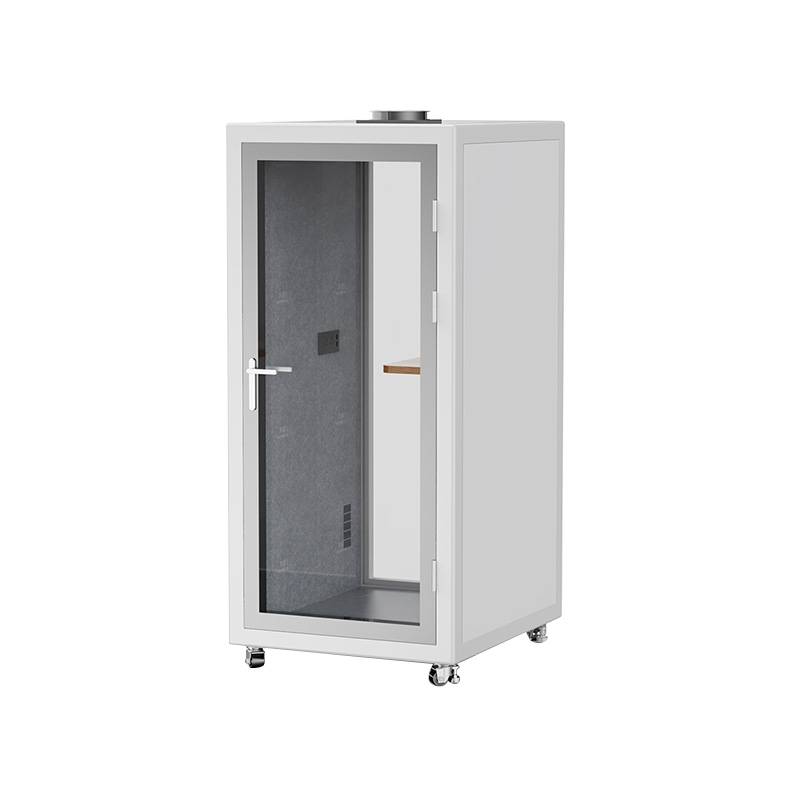
High-Density Carbon Structural Steel and Aluminum Frames: The primary skeleton of a premium Silent Pod is often constructed from aerospace-grade aluminum or powder-coated carbon steel. This rigid frame provides the necessary mass to block low-frequency sound waves. The joints are reinforced with specialized gaskets made of ethylene propylene diene monomer (EPDM), which act as vibration isolators, preventing "structural-borne" noise from entering or leaving the pod. This ensures that the mechanical vibrations of an office environment—such as footsteps or slamming doors—do not resonate within the pod’s interior.
-
Acoustic Glass and Laminated Safety Interlayers: The transparent sections of a Silent Pod utilize high-specification acoustic glass. This is typically a laminated assembly consisting of two layers of tempered glass bonded by a specialized acoustic Polyvinyl Butyral (PVB) interlayer. This thin, invisible layer acts as a shock absorber for sound energy, effectively breaking the path of high-frequency noise. The precision-engineered seals around the glass door are critical; even a 0.1% gap in the seal can lead to a 50% reduction in soundproofing efficiency, which is why automotive-grade magnetic suction strips are often employed for a hermetic seal.
-
Interior Acoustic Felt and Sound Absorption Logic: Inside the Silent Pod, the surfaces are lined with high-density polyester fiber acoustic felt. This material is chosen for its high Noise Reduction Coefficient (NRC), which prevents the "echo chamber" effect. The felt is often 3D-molded or patterned to increase the surface area for sound absorption. By converting sound energy into trace amounts of thermal energy through friction within the fiber matrix, the interior environment remains crisp and clear for teleconferences, ensuring that speech is intelligible without the interference of overlapping reflections.
|
Technical Parameter |
Solo Silent Pod |
Meeting Silent Pod |
XL Studio Pod |
|---|---|---|---|
|
Noise Reduction Level |
30dB - 35dB |
32dB - 38dB |
Up to 40dB |
|
Ventilation Rate |
100 - 150 |
250 - 400 |
600+ |
|
Glass Specification |
8mm - 10mm Acoustic |
12mm Dual-Layer Laminated |
15mm Triple-Glazed |
|
Lighting (CCT) |
4000K Natural White |
3000K - 6000K Adjustable |
Professional Studio CRI 95+ |
|
Internal Power |
110V/220V + USB A/C |
Multi-socket + HDMI |
Full Media Integration |
Why Are Thermodynamics and Air Filtration Essential for Long-Duration Usage Within a Silent Pod?
Because a Silent Pod is a sealed environment, the chemical engineering of the air and the thermal management of the occupant's body heat are critical to preventing CO2 buildup and discomfort.
-
Dual-Path Labyrinth Ventilation Systems: To maintain silence, the ventilation fans cannot be placed directly against the exterior wall, as fan noise would leak into the cabin. Instead, engineers design a "labyrinth" air duct system. The air travels through a series of sound-absorbing baffles before entering the Silent Pod. This path allows the air to move freely while the sound waves are "bounced" against acoustic foam, effectively canceling the mechanical hum of the fans. High-performance units utilize brushless DC (BLDC) fans that can move over 150 cubic meters of air per hour while operating at a noise level below 30 decibels.
-
Smart Air Quality Monitoring and CO2 Regulation: Advanced Silent Pod models are equipped with integrated air quality sensors. These sensors monitor the levels of Carbon Dioxide (
$CO_2$ ) and Volatile Organic Compounds (VOCs) in real-time. If the$CO_2$ levels exceed a predefined threshold (typically 1000 ppm), the system automatically increases the fan speed to flush the pod with fresh air. This automated climate control ensures that the user remains alert and focused during long-duration deep-work sessions or intense negotiations, preventing the "stuffy" feeling often associated with poorly ventilated acoustic booths. -
Thermal Dissipation and Low-Emission Materials: The choice of internal electronics and lighting in a Silent Pod is governed by thermal efficiency. LED panels with high-efficiency drivers are used to minimize heat generation. Furthermore, every material used—from the adhesives to the floor carpet—must be "low-VOC" certified. In a small, enclosed space, the outgassing of chemical solvents can be hazardous. Therefore, the pod's interior is typically treated with formaldehyde-free coatings and eco-friendly acoustic panels, ensuring a healthy breathing environment for all occupants.
How Do Integrated Smart Electrical Systems and Ergonomic Lighting Optimize the Functionality of a Silent Pod?
The "intelligence" of a Silent Pod lies in its ability to adapt to different tasks, from high-concentration coding to collaborative video calls, through precision electrical engineering.
-
Motion-Sensing Automation and Energy Management: To ensure energy efficiency, most Silent Pod units are equipped with infrared occupancy sensors. Upon detecting a user, the system instantaneously activates the LED lighting and the ventilation system. Once the user exits, the system enters a "standby" mode after a calibrated delay. This automation not only reduces the carbon footprint of the office but also extends the operational lifespan of the internal components. The control boards are often integrated with IoT modules, allowing facility managers to track pod usage statistics and optimize workspace layout based on real-time data.
-
Ergonomic Lighting Design and Circadian Support: Lighting within a Silent Pod is designed to minimize eye strain and screen glare. High-CRI (Color Rendering Index) LED strips are typically mounted at a specific angle to provide uniform illumination without casting harsh shadows. Some premium models feature "Circadian Lighting" systems that adjust the color temperature (
$2700K$ to$6500K$ ) based on the time of day—promoting alertness with cool blue light in the morning and relaxation with warm amber light in the evening. This level of environmental personalization is a hallmark of the modern pod experience. -
Universal Connectivity and Electromagnetic Shielding: A high-quality Silent Pod serves as a technological hub. It features a power distribution unit (PDU) with universal sockets, USB-C fast-charging ports, and RJ45 Ethernet jacks for stable data connections. To ensure that wireless signals (Wi-Fi and 5G) can penetrate the metal-framed structure, engineers include signal boosters or utilize specific non-shielding sections in the frame design. This ensures that the "silent" nature of the pod refers only to acoustic noise, while digital connectivity remains at peak performance for seamless cloud-based collaboration.
By synthesizing structural acoustics, thermodynamic ventilation, and intelligent electronic systems, the Silent Pod provides a robust, mobile, and highly efficient solution for the evolving requirements of the modern professional environment.
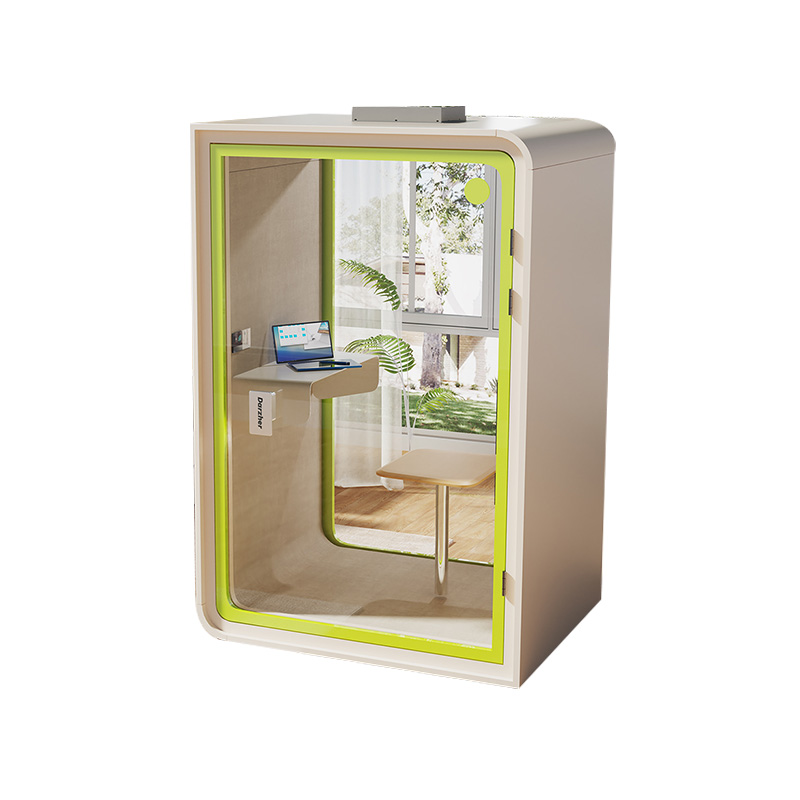
W2200D1535H23000000.png "Boardroom Pod")
 Add: Building18, No. 331, Haidong Road, Lihai Street, Yuecheng District, Shaoxing City, Zhejian, China
 Tel: +86-18057599511 / +86-0575-89291658
 Fax: +86-0575-89291658
 Email: