 Get A Quote


 English
 中文简体
中文简体What Is the Electromechanical Working Principle of a Double Motor Electric Lifting Table?
To understand the operational efficiency of a double motor electric lifting table, it is necessary to analyze the electromechanical coordination, motor design, and synchronization algorithms that drive the lifting columns.
Dual Drive Synchronization and Microcontroller Calibration
The defining mechanical feature of a double motor lifting table is the placement of a dedicated electric motor inside each of the two vertical lifting columns. This decentralized drive configuration requires a highly sophisticated electronic control system to ensure that both columns extend and retract at the exact same speed, preventing the desktop from tilting during height adjustments.
The synchronization process is managed by a centralized microcontroller unit containing a microcomputer chip. Each motor is equipped with integrated Hall effect sensors, which are electromagnetic sensors that detect the rotation of the motor shaft. As the motors spin, these sensors generate a series of high frequency electrical pulses that are sent directly to the microcontroller. The microcontroller analyzes the frequency and phase of the pulses from both columns in real time. If the controller detects a speed discrepancy of even a fraction of a millimeter between the two legs, it automatically adjusts the pulse width modulation signal sent to the faster motor, reducing its electrical voltage slightly to restore perfect vertical alignment. This continuous feedback loop ensures that the desktop remains completely level, protecting monitors, desk accessories, and computer towers from shifting or falling.
Torque Distribution and Load Capacity Dynamics
In a double motor configuration, the total mechanical workload is divided equally between the two propulsion units. Each motor drives an internal vertical lead screw positioned inside the telescopic steel tubes of the lifting column. As the motor rotates, the lead screw spins, driving a heavy duty brass nut attached to the inner tube section up or down along the threads.
Because each motor only has to lift half of the total desktop weight, the mechanical stress placed on the gears and bearings is reduced significantly. This distribution of force allows the double motor electric lifting table to deliver a high lifting capacity, which commonly reaches one hundred and twenty kilograms or more. The dual drive setup also ensures that the table can handle highly uneven load distributions, such as when a heavy computer tower is placed on one side of the desk and light accessories on the other. The synchronized motors adjust their local torque output dynamically to overcome the uneven resistance, maintaining a constant lifting speed and preventing mechanical binding inside the telescopic guide columns.
How Do Dual Motor Systems Compare to Single Motor Alternates?
When selecting an adjustable standing desk, facility managers and ergonomic consultants often compare double motor systems against single motor designs. Understanding the functional and mechanical distinctions between these two drive configurations is essential for matching the desk to the user requirements.
|
Engineering Property |
Single Motor Lifting Desk |
Double Motor Lifting Desk |
|---|---|---|
|
Motor Placement |
Mounted externally under the desktop |
Integrated internally within each leg |
|
Power Transmission Method |
Hexagonal drive rod with mechanical bevel gears |
Direct drive lead screw inside each column |
|
Maximum Lifting Capacity |
Moderate, typically sixty to eighty kilograms |
High, commonly one hundred and twenty kilograms |
|
Height Adjustment Velocity |
Slow, around twenty to twenty-five millimeters per second |
Fast, typically thirty-five to forty millimeters per second |
|
Operational Noise Signature |
Moderate, mechanical rod vibration is common |
Exceptionally quiet, insulated inside steel columns |
|
Structural Lateral Stability |
Moderate, prone to minor shaking at high elevations |
Superior, dense columns provide low center of gravity |
|
System Maintenance Needs |
High, regular lubrication of drive rod is required |
Very low, sealed gearboxes prevent dust ingress |
Lifting Speed Consistency and Acceleration Profiles
Single motor electric desks utilize a single motor mounted beneath the desktop, transferring rotational power to the opposite leg through a long, hexagonal drive rod connected to mechanical bevel gears. This indirect power transmission system introduces mechanical friction and play, which limits the lifting speed of the desk.
A double motor electric lifting table utilizes direct drive mechanics, allowing the columns to extend at a much faster velocity. These systems typically achieve adjustment speeds of thirty-five to forty millimeters per second, which is nearly double the speed of most single motor units. Furthermore, the electronic control board in a double motor desk manages a soft start and soft stop acceleration profile. When the user presses a height preset button, the controller increases the motor voltage gradually, accelerating the desktop smoothly. As the desk reaches the target height, the controller decelerates the motors slowly, eliminating sudden jerks that could cause liquid to spill from a coffee cup or strain the mounting brackets of flat screen monitors.
Structural Longevity and Mechanical Wear Reduction
The mechanical lifetime of an electric standing desk is highly dependent on the friction and load limits of its moving parts. In a single motor desk, the mechanical drive rod must span the entire width of the table. If the desk frame is extended to accommodate a larger desktop, the drive rod can flex or sag slightly, leading to gear misalignment and accelerated wear on the teeth of the bevel gears.
In contrast, double motor electric lifting tables eliminate the drive rod entirely. The mechanical power is confined completely within the vertical axis of each column, eliminating rotational flexing and lateral gear stress. Because the motors are sealed inside the steel columns, they are protected from atmospheric dust, pet hair, and accidental spills, preserving the lubricant inside the gearboxes. This self contained design reduces mechanical wear and ensures that the lifting mechanism operates reliably for thousands of height adjustment cycles without requiring manual gearbox maintenance or belt tension adjustments.
What Structural Components Guarantee the Stability of High Range Height Adjustable Desks?
Achieving dynamic height adjustability is pointless if the desk becomes unstable or shakes when extended to its maximum standing height. A high quality double motor electric lifting table relies on precise structural engineering to maintain absolute lateral and longitudinal rigidity at all elevations.
Multi Stage Telescopic Columns and Steel Tube Tolerances
The vertical legs of an electric standing desk consist of multiple concentric steel tubes that slide inside each other as the desk raises or lowers. High performance desks utilize three stage telescopic columns, which provide a wider range of height adjustment compared to basic two stage columns. This wide range allows the desk to accommodate both very short seated positions and exceptionally tall standing positions, meeting the ergonomic needs of a larger user demographic.
To prevent lateral movement or shaking between the telescoping segments, the steel tubes must be manufactured with extremely tight tolerances. The space between the sliding tubes is lined with specialized plastic guide shims, which are commonly referred to as glide pads. These pads are manufactured from low friction, wear resistant polymers like polyoxymethylene. The glide pads are calibrated precisely during factory assembly to eliminate any play or clearance between the steel tubes, ensuring that the columns slide smoothly without wobbling. If the shims are too loose, the desk will shake when a user types on a keyboard, and if they are too tight, they will create excessive friction that can overload the electric motors.
Solid Steel Footplates and Anti Topple Base Engineering
The foundation of the desk frame is the footplate, which is the long steel bracket that sits flat on the floor beneath each lifting column. The length and weight of the footplate are critical factors in determining the longitudinal stability of the desk, preventing the table from tipping forward or backward when a user leans on the front edge of the desktop.
Heavy duty desk frames utilize thick, solid steel footplates that are welded or securely bolted to the base of the columns. The bottom of each footplate is equipped with adjustable leveling glides, which allow the user to compensate for uneven office flooring. By turning the glides, the user can ensure that the weight of the desk is distributed evenly across all four contact points, eliminating structural rocking. Some advanced designs also feature a low center of gravity by positioning the heaviest mechanical components, such as the power supply transformer and the controller board, within a steel tray mounted low on the frame, further enhancing the physical resistance of the desk to lateral tipping forces.
What Advanced Safety Features Are Integrated into Smart Standing Desks?
Because electric desks are powerful motorized appliances operating in close proximity to children, pets, office chairs, and under desk filing cabinets, they must be equipped with active safety systems to prevent entrapment and equipment damage.
Gyroscopic Anti Collision Detection and Sensitivity Calibration
The most critical safety feature in a modern double motor electric lifting table is the integrated anti collision system. When a motorized desk is moving downward, it can generate hundreds of kilograms of force. If the desktop strikes an obstacle like the armrest of an office chair or a drawer unit, this force can easily crush the obstacle or bend the steel desk frame.
To prevent this, premium desks incorporate dual layer anti collision technology. The system utilizes both current sensing algorithms in the motor controller and a physical gyroscopic sensor mounted on the underside of the desktop. The gyroscopic sensor monitors the angle of the desktop continuously in three dimensions. If the desk encounters an obstacle on one side, the desktop will tilt slightly, or the motor current draw will spike as the resistance increases. The sensor detects this sudden change instantly, and the microcontroller halts the descent of the desk within milliseconds, automatically reversing the direction of travel by several centimeters to release the trapped object. Users can adjust the sensitivity of this safety system through the digital control panel to suit their specific office layout and prevent false triggers.
Thermal Overload Mitigation and Duty Cycle Limits
Electric motors generate heat during operation, with the heat output increasing significantly when the desk is loaded to its maximum lifting capacity. If a user raises and lowers the desk continuously, the internal temperature of the motor windings will rise rapidly, which can melt the wire insulation and lead to electrical short circuits.
To safeguard the electrical system, smart desk controllers enforce a strict duty cycle limit, which is typically specified as ten percent, meaning the motors can run for two minutes followed by eighteen minutes of rest. The control board incorporates a thermal sensor that monitors the temperature of the drive circuitry. If the duty cycle is exceeded or if the motors begin to run dangerously hot, the controller will lock out height adjustments temporarily, displaying a thermal error code on the LED control panel. Once the motors cool down to a safe operating temperature, the controller resets automatically, preserving the lifespan of the electrical components.
Where Are Double Motor Electric Lifting Tables Most Critically Deployed?
The high load capacity, rapid adjustment speed, and exceptional structural stability of double motor electric lifting tables make them highly valuable across diverse professional and technical environments.
Corporate Office Environments and Shared Workspace Hot Desking
In modern corporate headquarters and co-working offices, desks are frequently shared by multiple employees throughout the week, a practice commonly designated as hot desking. Because employees vary significantly in physical height, a fixed height desk cannot provide comfortable working postures for all users, leading to increased rates of ergonomic strain and sick leave.
Double motor electric lifting tables are deployed in hot desking zones to provide instant adaptability. These desks feature digital memory controllers that allow employees to save their preferred seated and standing heights. Upon arriving at a workstation, the employee can press their assigned preset button to adjust the desk to their exact ergonomic dimensions in a few seconds. The quiet operation of the double motor system ensures that these frequent adjustments do not distract surrounding employees, maintaining a productive, low noise working environment.
Professional Software Engineering and High Density Financial Workstations
Software developers, financial analysts, and CAD designers typically utilize extensive computer hardware setups, including multiple large monitors, heavy dual monitor arms, uninterrupted power supplies, and external backup drives. This equipment represents a substantial physical load that is often distributed unevenly across the desk surface.
A double motor electric lifting table is uniquely suited to these high-density workstations because its synchronized dual drive mechanism can lift the heavy, uneven load without straining the frame or tilting the desktop. The high lateral stability of the three stage columns ensures that the elevated monitor array does not shake or wobble when the user is typing rapidly or clicking a mouse, preventing visual fatigue and maintaining a secure, distraction-free environment for detailed analytical work.
Technical Assembly Laboratories and Quality Inspection Zones
In electronics manufacturing, medical laboratories, and precision quality inspection zones, technicians must perform delicate assembly and calibration tasks that require extreme hand eye coordination. These tasks often require the technician to switch between sitting down for microscopic inspections and standing up to access large test fixtures.
Heavy duty double motor lifting tables are utilized in these technical environments because they can be customized with chemical resistant, anti static ESD work surfaces while supporting heavy diagnostic instruments. The high static pressure stability of the steel columns ensures that the table remains completely rigid, preventing minor vibrations from disrupting sensitive calibration scales or microscopic inspections, thereby improving manufacturing quality and reducing product defect rates.
How to Properly Install, Calibrate, and Maintain a Dual Motor Lifting Assembly?
To guarantee a long service life, maintain quiet operation, and prevent mechanical misalignments, double motor electric lifting tables must be installed correctly and subjected to periodic calibration and maintenance.
Initial Leg Synchronization and Reset Procedures
When assembling a double motor electric lifting table for the first time, or after a power outage has interrupted the electrical supply, the two vertical columns may become slightly out of sync. If the desk is operated in this uncalibrated state, the desktop will tilt, putting excessive stress on the guide shims and motors.
To restore synchronization, a manual control reset must be performed. The installer should clear all obstacles from beneath the desk and press and hold the down button on the controller panel. The desk will descend to its lowest physical limit and stop. The installer must continue to hold the down button for several seconds until the digital display begins to flash or shows a reset code. The desk will then jog down slightly, compress its internal bottom bumpers, and raise itself back up by a few millimeters, signaling that both columns have been calibrated to the absolute zero point of the controller, establishing perfect vertical synchronization.
Continuous Column Cleaning and Lubrication Protocols
Although the mechanical drive screw is sealed inside the telescoping columns, the exterior surfaces of the steel tubes are exposed to office dust, skin oils, and airborne fibers. As the columns slide inside each other, this debris can adhere to the low friction glide pads, creating friction and generating a high pitched squeaking noise during height adjustments.
To prevent this, users should wipe down the vertical columns periodically with a clean, dry microfiber cloth to remove accumulated dust. If sticky residues are present, a damp cloth with a mild soap solution can be used, ensuring that the steel tubes are dried completely immediately afterward to prevent water spots and rust. Users should avoid spraying liquid oils, grease, or WD forty directly onto the outside of the columns, as these wet lubricants will attract dust and abrasive particles like a magnet, creating a grinding paste that will quickly destroy the internal glide pads. High quality telescoping columns are pre-lubricated with a dry silicone film during manufacturing, which remains active for years if kept clean and free of wet contaminants.
Annual Electrical Audit and Bolt Tightening
Over months of continuous height adjustments, the subtle vibrations generated by the motors and physical movements of the user can gradually loosen the structural fasteners that hold the desk frame together. Loose bolts can cause the desk to squeak, wobble, or lose lateral stability.
Once a year, maintenance personnel or the home user should perform a comprehensive structural audit of the desk. This audit includes utilizing a hex wrench to check the tightness of the bolts securing the lifting columns to the footplates, the desktop brackets to the frame, and the center crossbar expansion joints. Additionally, all electrical connections should be inspected to ensure that the motor cables remain securely plugged into the control box and are routed through integrated cable trays, preventing the wires from being pinched or stretched during height adjustments, ensuring a safe, reliable, and highly comfortable ergonomic workstation for many years of continuous daily use.
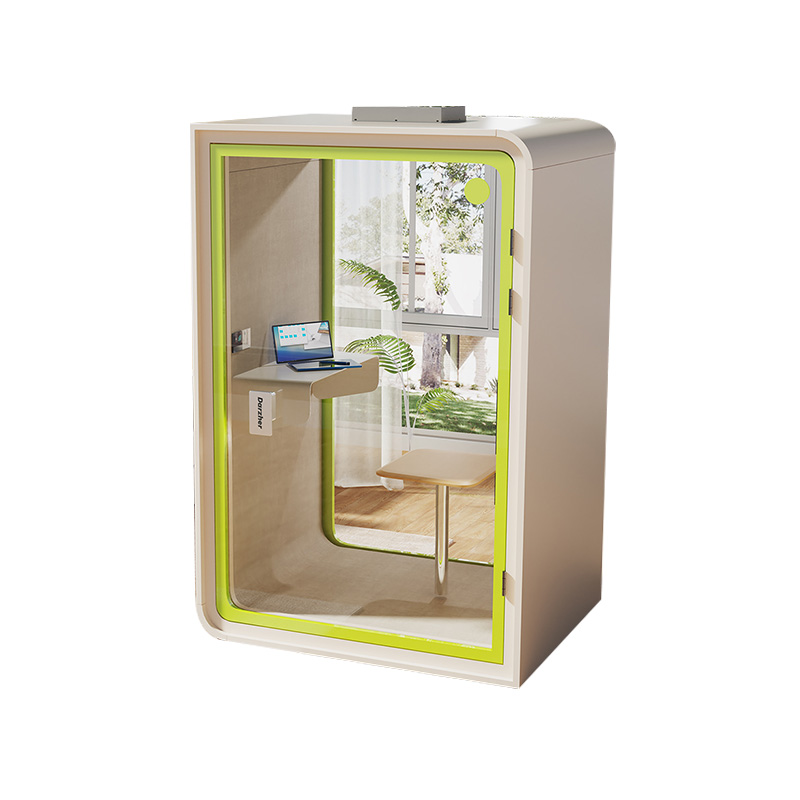
W2200D1535H23000000.png "Boardroom Pod")
 Add: Building18, No. 331, Haidong Road, Lihai Street, Yuecheng District, Shaoxing City, Zhejian, China
 Tel: +86-18057599511 / +86-0575-89291658
 Fax: +86-0575-89291658
 Email: