 Get A Quote


 English
 中文简体
中文简体Which Electric Height Adjustable Standing Desk You Actually Need
Electric Height Adjustable Standing Desks are motorized work surfaces that raise and lower the desk height at the push of a button, enabling users to alternate between sitting and standing positions throughout the workday, which clinical research consistently associates with reduced back pain, lower sedentary time, improved energy levels, and better long-term cardiovascular health compared to fixed-height desk use. They are no longer a premium niche product but a mainstream workspace investment backed by decades of ergonomic research and now standard equipment in progressive office environments globally.
The choice between the three main electric lifting table configurations:
- Single motor electric lifting table: One motor drives a synchronized lifting system across the full frame width. Best for budget-conscious buyers, lighter workloads (up to 70 to 80 kg), and installations where occasional manual re-leveling is acceptable. Lift speed is typically 25 to 35 mm per second and noise levels are slightly higher than dual motor designs.
- Double motor electric lifting table: Dedicated motors in each leg column lift simultaneously and independently with electronic synchronization. Best for heavier equipment loads (up to 120 to 150 kg), maximum stability, quieter operation, and installations where the desk will be raised and lowered many times daily. Double motor designs are the preferred specification for professional, commercial, and intensive-use home office environments.
- Gaming glass electric lifting table: A premium category combining an electric lifting frame with a tempered glass top surface optimized for gaming aesthetics, cable management, RGB lighting compatibility, and the visual display of gaming peripherals. Suited to dedicated gaming setups where appearance is as important as function, and where the glass surface provides a clean, cool, and premium surface for mice and keyboards.
Why Electric Height Adjustable Standing Desks Are a Justified Investment: The Evidence
The commercial success of Electric Height Adjustable Standing Desks is grounded in a substantial and growing body of health and productivity research that has moved from academic journals into mainstream workplace health policy across Fortune 500 companies, government agencies, and educational institutions. Understanding this evidence base helps buyers justify the premium over conventional fixed-height desks and set realistic expectations for the benefits the investment will deliver.
The Health Case for Height-Adjustable Work Surfaces
Prolonged sitting is now recognized by the World Health Organization and major medical associations as an independent cardiovascular risk factor, distinct from exercise habits. Studies of sedentary occupations consistently find that workers who sit for more than 6 hours per day face measurably elevated risk of type 2 diabetes, cardiovascular disease, and all-cause mortality compared to workers with equivalent physical activity levels outside working hours but lower sedentary occupational time. The mechanism is metabolic: prolonged uninterrupted sitting reduces skeletal muscle contraction, which significantly slows the clearance of blood glucose and triglycerides from the bloodstream even in people who exercise regularly.
Electric Height Adjustable Standing Desks address this risk by making it convenient to alternate sitting and standing throughout the working day. A 2015 randomized controlled trial published in the British Medical Journal found that office workers provided with sit-stand desks reduced their seated time by an average of 1.25 hours per working day over 12 months, and reported significant improvements in musculoskeletal discomfort, fatigue, and work engagement compared to control groups who continued using fixed-height desks. The key word is convenient: the electric lifting mechanism is what makes this behavior practical. Manual cranked sit-stand desks theoretically offer the same postural benefit but are rarely used because the effort and time required for adjustment exceeds the immediate motivation to change position. Electric desks with memory height presets reduce the transition time and effort to under 15 seconds, which is the threshold below which habitual position changing is sustained long-term.
The Ergonomic Case: Correct Positioning for Both Postures
Beyond the metabolic benefits of alternating postures, Electric Height Adjustable Standing Desks allow precise ergonomic positioning for both sitting and standing, which matters because both postures are harmful when the desk height is fixed incorrectly for the user's body dimensions:
- Seated ergonomic position: The desk surface height should allow the elbows to rest at approximately 90 degrees with shoulders relaxed (not raised) and forearms approximately horizontal. For most adults, this sitting height is between 680 and 760 mm above the floor when seated in a correctly adjusted chair. A fixed desk at 740 mm (the traditional standard) is appropriate for users approximately 170 to 180 cm tall but too high for shorter users and too low for taller users, creating chronic shoulder elevation or lumbar forward flexion in the majority of the workforce who do not match the assumed anthropometric standard.
- Standing ergonomic position: The desk surface height should allow the same elbow angle (approximately 90 degrees) with shoulders relaxed and forearms approximately horizontal. For most adults, this standing height is between 950 and 1,100 mm above the floor. A standard fixed-height desk at 740 mm that is appropriate for seated work requires the user to stoop significantly at the shoulders when standing, which is worse ergonomically than either standing with no desk or sitting at the correct height.
Electric Height Adjustable Standing Desks with memory presets allow each user to program their precise ergonomic sitting height and standing height as separate memory positions, enabling immediate and precise transition between both optimal postures without requiring any calculation or manual adjustment each time.
Single Motor Electric Lifting Table: Mechanism, Strengths, and Ideal Use Cases
The Single motor electric lifting table uses one electric motor positioned centrally in the lifting frame to drive the leg columns through a shaft and gear transmission system. Understanding this mechanism clarifies both the strengths and limitations of single-motor designs and helps buyers determine whether this configuration serves their specific requirements.
How the Single Motor Electric Lifting Table Works
In a Single motor electric lifting table, the motor is typically mounted in a central position within the crossbeam that connects the two leg columns. The motor drives a rotating shaft that runs horizontally through the crossbeam to both leg columns simultaneously. Each leg column contains a leadscrew or acme screw mechanism inside telescoping steel sections; as the shaft rotates, it drives the leadscrews in both leg columns synchronously, raising or lowering both sides of the desk at the same rate.
The single shaft drive system provides inherent mechanical synchronization: because both leg columns are driven from the same shaft, they cannot move at different rates as long as the transmission components are functioning correctly and the load is reasonably balanced across the desk surface. This mechanical synchronization is simpler and less expensive than the electronic synchronization required in dual motor systems, which is the primary reason Single motor electric lifting tables are 20% to 40% less expensive than equivalent dual motor designs.
Most single motor electric lifting tables have a lifting speed of 25 to 35 mm per second and a rated load capacity of 60 to 80 kg, which is adequate for a typical office desk setup with monitor, laptop, keyboard, and accessories. The motor itself typically produces 200 to 400 watts of output power in the majority of commercial single-motor frame designs.
Key Advantages of Single Motor Electric Lifting Table
- Lower purchase price: The single motor eliminates one complete motor unit, its controller, and the wiring for the second motor, reducing manufacturing cost. This saving passes through to the buyer as a 20% to 40% price reduction compared to dual motor designs of equivalent frame quality and height range.
- Simpler maintenance and longer mechanical life: With one motor, one controller, and one drive shaft, the Single motor electric lifting table has fewer components that can fail or require service. Professional experience with sit-stand desk maintenance confirms that single-motor frames generally have lower warranty claim rates than dual motor frames because there are fewer potential failure points in the electrical and drive system.
- Adequate performance for light to medium use: For home offices where the desk is raised and lowered 3 to 6 times per working day and the equipment load is below 70 kg, a Single motor electric lifting table delivers identical end-user experience to a dual motor design: the desk moves to the desired height when the button is pressed, holds steady during use, and requires no more manual effort than the dual motor alternative.
- Lower electrical consumption: A single motor draws less current during operation than two motors running simultaneously. While the energy difference per use cycle is modest (a few seconds of motor operation per adjustment), it is a marginal environmental and electrical cost consideration for buyers with strong sustainability commitments.
Limitations of Single Motor Electric Lifting Table for Demanding Applications
- Lower maximum load capacity: The single drive shaft must transmit the full lifting torque to both leg columns, which limits the practical maximum load to 60 to 80 kg for most designs. Exceeding this load risks motor overheating, premature wear of the shaft connection at the leg column gear boxes, or in severe cases, mechanical binding that stops the desk mid-travel and requires manual intervention to resolve.
- Higher noise during operation: The long drive shaft in a Single motor electric lifting table is a vibration transmission path that can amplify motor noise and gear mesh noise, particularly as components age and clearances develop. Most single-motor designs operate at 55 to 65 dB(A) during adjustment, compared to 45 to 55 dB(A) for premium dual motor designs. In open-plan offices, the higher noise of single-motor desk adjustments may be a consideration for colleagues near the adjusting workstation.
- Potential for gradual frame racking under heavy asymmetric loads: If the desk load is significantly asymmetric (much heavier on one side than the other, as can occur with multiple monitors positioned to one side), the single drive shaft transmits the differential load through the frame structure rather than through independent motor compensation. Over time, this can cause a very slight but progressively worsening tilt in the desk surface that the mechanical synchronization cannot self-correct without manual re-leveling.
Double Motor Electric Lifting Table: Performance, Stability, and Commercial Advantages
The Double motor electric lifting table uses two dedicated motors, one housed in each leg column, that operate simultaneously under electronic control to raise and lower the desk surface. This configuration is the preferred specification for professional, commercial, and intensive-use installations because of its superior load capacity, stability, noise performance, and resistance to surface tilt under asymmetric loads.
How Dual Motors Work Together: Electronic Synchronization
In a Double motor electric lifting table, each motor independently drives the leadscrew in its own leg column. The electronic control system monitors the position of both columns simultaneously through encoder sensors in each motor, comparing the actual height of both columns at intervals of typically 10 to 50 milliseconds throughout every adjustment cycle. If the sensors detect that one column is rising faster than the other (which can occur under asymmetric loads or if one motor has slightly different characteristics than the other), the control system immediately adjusts the power supplied to the faster motor to equalize the rise rate and maintain level desk surface alignment.
This electronic synchronization provides a fundamentally different quality of level control than the mechanical synchronization of a single shaft drive. Premium Double motor electric lifting table designs maintain level synchronization to within 1 to 2 mm across the full height range, even under asymmetric loads of 30 to 40 kg side-to-side difference, which would cause visible tilt in a single-motor equivalent. This precision is particularly important for wide desk surfaces (1,800 mm and above) where even a 3 to 5 mm height difference between the two leg columns produces a visibly tilted surface that interferes with precision tasks and creates a quality impression problem in client-facing office environments.
Performance Advantages of Double Motor Electric Lifting Table Over Single Motor
| Specification | Single Motor Electric Lifting Table | Double Motor Electric Lifting Table |
|---|---|---|
| Typical load capacity | 60 to 80 kg | 100 to 150 kg |
| Lift speed | 25 to 35 mm per second | 35 to 50 mm per second |
| Operating noise level | 55 to 65 dB(A) | 45 to 55 dB(A) |
| Level maintenance under asymmetric load | Mechanical sync only | Electronic active sync (1 to 2 mm accuracy) |
| Height range (typical) | 620 to 1,250 mm | 580 to 1,300 mm |
| Memory height presets | 2 to 4 positions | 3 to 6 positions |
| Typical duty cycle | 5 to 10 adjustments per hour | 15 to 25 adjustments per hour |
| Anti-collision detection | Basic (available in some models) | Standard (current monitoring in both motors) |
| Relative purchase cost | Lower (baseline) | 20% to 40% higher than single motor |
When to Specify a Double Motor Electric Lifting Table
A Double motor electric lifting table is the correct specification in the following situations:
- Heavy equipment loads above 80 kg: Workstations with multiple large monitors (two or three 27-inch or larger displays), audio production equipment, broadcast decks, or professional video editing setups routinely exceed 80 kg of desk load and require the higher capacity of dual motor designs. A Single motor electric lifting table overloaded beyond its rated capacity will have shortened motor life, increased noise, and eventually fail to maintain consistent level height.
- Shared or multi-user desk installations: In hot-desking environments, open-plan offices, or collaborative spaces where the Electric Height Adjustable Standing Desk is used by multiple people with different height requirements throughout the day, the higher duty cycle capability of dual motor designs (15 to 25 adjustments per hour versus 5 to 10 for single motor) handles the more frequent adjustment cycle without thermal overload of the motor.
- Wide desk surfaces above 1,600 mm: On wider desks, the longer distance between leg columns magnifies any tilt that develops from asymmetric loading. Electronic synchronization in dual motor designs actively corrects this tilt throughout the adjustment cycle, while single-motor mechanical synchronization can drift under sustained asymmetric loading.
- Noise-sensitive environments: Recording studios, therapy rooms, quiet open offices, and libraries where the 10 to 15 dB(A) noise difference between single and double motor operation is commercially or professionally significant benefit from dual motor's quieter operation.
Gaming Glass Electric Lifting Table: Design, Materials, and the Gaming Workspace Advantage
The Gaming glass electric lifting table represents a premium segment of the Electric Height Adjustable Standing Desks market that specifically addresses the aesthetic, functional, and ergonomic requirements of dedicated gaming setups, content creation stations, and streamers who require both the health benefits of sit-stand working and the visual premium that a glass surface provides for display-focused workspaces.
Why Glass Is Chosen for Gaming Desks
The selection of tempered glass as a desk surface material for the Gaming glass electric lifting table is not purely aesthetic, though visual appeal is a significant factor. Glass provides several practical advantages for gaming and streaming environments:
- RGB lighting showcase capability: Tempered glass transmits and reflects light from RGB underglow strips, keyboard backlighting, and LED strips integrated into the desk frame in ways that wood, MDF, and composite desk surfaces cannot replicate. The glass surface creates a premium illumination effect that is commercially important for content creators and streamers whose workspace appearance is part of their professional brand identity.
- Heat dissipation: Glass conducts heat away from electronic devices placed on the surface more effectively than wood or engineered wood composite materials. For gaming setups where the desk supports high-performance computers, controllers, and power supplies that generate significant heat during extended use, the glass surface's thermal conductivity reduces surface temperature buildup in the contact zone between devices and desk.
- Scratch and stain resistance: Tempered glass surface hardness (approximately 7 on the Mohs scale) far exceeds that of standard desk surface materials including melamine, lacquered MDF, and vinyl-wrapped composite boards. Glass resists scratching from mouse edge contact, controller edges, keyboard dragging, and cup condensation rings that progressively degrade the appearance of conventional desk surfaces over years of intensive gaming use.
- Easy cleaning and hygiene: Gaming sessions generate food crumbs, drink residues, skin oils, and general contamination that accumulates on desk surfaces. Glass can be cleaned completely with a damp cloth and glass cleaner without the risk of damaging the surface finish that can occur when cleaning products contact melamine or lacquered wood surfaces with excessive frequency.
Tempered Glass Specification for Gaming glass electric lifting table
Not all glass desk surfaces are equal in terms of safety, durability, and performance. The tempered glass used in quality Gaming glass electric lifting table products is manufactured to specific standards that distinguish it from ordinary annealed glass:
- Glass thickness: Standard Gaming glass electric lifting table products use 8 to 12 mm tempered glass. Thinner glass (6 mm or less) deflects noticeably under the point loads of monitor stands, desktop computers, and concentrated peripheral placement, creating flex that can fracture the glass under sustained heavy loading. 10 mm tempered glass is the most common specification for quality Gaming glass electric lifting table products, providing adequate stiffness for typical gaming setup loads up to 60 to 80 kg while maintaining a glass weight that the electric lifting frame can handle within its rated load capacity.
- Tempering process and safety on breakage: Properly tempered glass, which has been heated to approximately 620 to 650 degrees Celsius and then rapidly cooled to create surface compressive stress, breaks into small, relatively blunt fragments rather than large, sharp shards when it fails. This safety characteristic is critical for desk applications where broken glass would otherwise create severe laceration hazards. Verify that Gaming glass electric lifting table products carry CE certification (in European markets) or ANSI Z97.1 certification (in North American markets) that confirms the glass meets safety glazing standards.
- Anti-glare and surface coating options: For gaming environments where ambient light creates monitor reflections, frosted or anti-glare coated glass reduces surface reflectivity that would otherwise interfere with screen visibility. Frosted glass also provides a slightly textured surface that improves mouse tracking compared to polished clear glass, where certain optical mouse sensors can struggle with the homogeneous surface.
Cable Management in Gaming glass electric lifting table Designs
Cable management is a primary concern in gaming setups because of the large number of peripheral devices (multiple monitors, speakers, consoles, USB hubs, charging cables, gaming headsets) each generating their own cable run. Quality Gaming glass electric lifting table designs address cable management through purpose-built features that are more thoughtfully integrated than in standard office desk designs:
- Integrated cable management tray or raceway: A channel or tray beneath the desk surface or along the rear edge collects and routes cable runs from the desk equipment to the floor, preventing the cable tangle that accumulates when multiple peripheral cables hang freely from a glass desk surface.
- Cable pass-through grommets: Holes with rubber or ABS grommets in the glass surface allow cables from power strips and other desk-mounted devices to pass cleanly through the glass without loose cable ends cluttering the desk surface.
- Height-adjustable cable spine: Some Gaming glass electric lifting table designs include a flexible cable spine that runs vertically along the leg column and extends as the desk rises, keeping power and data cables that connect from the floor to the desk surface routed neatly rather than stretching taut or pulling loose when the desk moves to standing height.
Electric Height Adjustable Standing Desks: Key Specifications Every Buyer Must Evaluate
The market for Electric Height Adjustable Standing Desks has grown rapidly and now includes hundreds of products from manufacturers across the quality spectrum, from commodity imports with inadequate structural ratings to precision-engineered products from established ergonomic equipment specialists. Evaluating the following specifications separates genuinely capable products from those that will disappoint in daily professional use.
Height Range: Ensuring Coverage for All Users
The height range of an Electric Height Adjustable Standing Desks system is the single most practically important specification because it determines whether the desk can achieve ergonomically correct positioning for both the seated and standing postures of the actual users who will work at it. The minimum height must accommodate the shortest user in seated ergonomic position; the maximum height must accommodate the tallest user in standing ergonomic position.
Using the standard ergonomic calculation (desk height approximately equal to elbow height above the floor), the required height ranges for different user heights are:
| User Height | Seated Desk Height | Standing Desk Height | Required Height Range |
|---|---|---|---|
| 155 cm (5 ft 1 in) | 620 to 640 mm | 890 to 920 mm | 620 to 920 mm |
| 165 cm (5 ft 5 in) | 650 to 680 mm | 940 to 970 mm | 650 to 970 mm |
| 175 cm (5 ft 9 in) | 690 to 720 mm | 990 to 1,020 mm | 690 to 1,020 mm |
| 185 cm (6 ft 1 in) | 720 to 760 mm | 1,040 to 1,080 mm | 720 to 1,080 mm |
| 195 cm (6 ft 5 in) | 760 to 800 mm | 1,090 to 1,130 mm | 760 to 1,130 mm |
For a shared workspace covering users from 155 cm to 195 cm, the desk frame must cover a height range of at least 620 to 1,130 mm, which is 510 mm of total adjustment travel. Most quality Electric Height Adjustable Standing Desks offer 600 to 720 mm of total height adjustment travel (typically 580 to 1,280 mm total range), which covers the full anthropometric range of most adult working populations.
Anti-Collision Detection: A Safety Feature That Matters
Anti-collision detection is the ability of the Electric Height Adjustable Standing Desks control system to detect when the desk has contacted an obstacle during downward travel (such as a chair, a person's legs, or an object on the floor) and automatically stop and reverse direction before damage or injury occurs. This feature works by monitoring the motor current during movement; when resistance increases suddenly due to an obstacle contact, the current draw spikes above a threshold that triggers the stop and reverse response.
Anti-collision detection is standard in all quality Double motor electric lifting table designs because two current sensors (one per motor) provide more sensitive and redundant obstacle detection than single current monitoring. It is also available in better Single motor electric lifting table designs but may be absent in the most basic budget models. Anti-collision detection is particularly important for desks used in environments with children or pets and for shared office installations where the desk may be lowered onto personal belongings or cables placed under the desk between sessions.
Frame and Leg Column Construction Quality
The structural quality of the leg columns and crossbeam determines the desk's resistance to wobble and vibration at standing height, which is the most complained-about quality problem in budget Electric Height Adjustable Standing Desks. At standing height (900 to 1,100 mm), the leg columns are extended to their maximum length, creating a cantilever structure that is inherently less stable than at the lowest sitting height. Poor construction of the telescoping leg column joints (the connections between the outer, middle, and inner column sections) allows lateral play that produces a perceivable wobble when the user types or gestures, disrupting work and reducing confidence in the desk's safety.
Quality construction characteristics to verify include: steel column wall thickness of 2.0 to 2.5 mm minimum (not 1.0 to 1.5 mm common in budget frames); precision-machined inner and outer column sections with tight radial clearance that minimizes play; nylon or HDPE glide blocks at the telescoping column joints that maintain smooth, play-free movement throughout the column travel range; and a crossbeam with sufficient section modulus to resist the bending moment from asymmetrically loaded desk tops without rack deformation.
Control Panels, Memory Presets, and Smart Features in Electric Height Adjustable Standing Desks
The control panel and electronics of an Electric Height Adjustable Standing Desks system significantly affect daily usability, especially when the desk is shared between multiple users or when the user wants to build the habit of regular sitting and standing alternation. More sophisticated control systems make the behavior change more convenient and therefore more likely to be sustained.
Basic vs Advanced Control Systems
- Basic up-down paddle control: Two-button system that raises the desk while the up button is held and lowers it while the down button is held, stopping immediately when released. No memory presets, no height display. Appropriate only for budget Single motor electric lifting table applications where the desk is used by one person at a consistently maintained height and adjusted rarely.
- Keypad with digital display and 2 to 4 memory presets: The most common control system in mid-range Electric Height Adjustable Standing Desks. The digital display shows the current height in centimeters or inches; memory buttons store specific height values that the desk automatically adjusts to when pressed, without requiring the user to hold the button until the correct height is visually confirmed. This is the minimum recommended feature level for any professional installation.
- Advanced controller with 4 to 6 presets, sit-stand timer, and USB charging: Premium Double motor electric lifting table and Gaming glass electric lifting table products often include control panels with 4 to 6 programmable presets, a built-in reminder timer that prompts the user to change position after a programmable sitting interval (typically 45 to 60 minutes), child lock function to prevent unauthorized height changes, and integrated USB-A or USB-C charging ports for convenient device charging without occupying desk power strip space.
- App connectivity and smart home integration: The most advanced Electric Height Adjustable Standing Desks include Bluetooth or WiFi-connected controllers that link to smartphone apps for detailed usage tracking (total standing time per day, number of height adjustments, time spent at each height), integration with Apple Health, Google Fit, or similar health platforms, and smart home automation integration allowing voice commands through Amazon Alexa or Google Assistant to change desk height without manually pressing the controller.
The Practical Value of Sit-Stand Reminder Timers
The primary behavioral challenge with Electric Height Adjustable Standing Desks is not the physical effort of changing positions (the motor handles that) but the tendency to become absorbed in work tasks and forget to change position for extended periods. A desk with height adjustment capability that is never actually used provides no ergonomic benefit. Sit-stand reminder timers address this directly by generating an audible or visual alert when the user has been in one position for a programmable interval, typically 45 to 60 minutes for sitting and 30 to 45 minutes for standing (standing for extended periods without movement also has ergonomic costs, though different ones from prolonged sitting).
Research on Electric Height Adjustable Standing Desks effectiveness consistently finds that users who configure and use their desk's reminder timer alternate postures significantly more frequently than users of equivalent desks without timer features, and that postural alternation frequency is the primary predictor of the musculoskeletal and metabolic benefits that sit-stand desks provide. The timer feature, while seemingly minor, is arguably one of the most practically important specifications in the control system.
Installation, Space Planning, and Practical Considerations Before Purchase
Installing an Electric Height Adjustable Standing Desks system requires consideration of several practical factors that buyers sometimes overlook in the excitement of evaluating the desk's features and specifications, leading to post-purchase problems that could have been avoided with advance planning.
Floor Space and Overhead Clearance Requirements
Electric Height Adjustable Standing Desks require floor space for the desk footprint plus adequate clearance in front of, behind, and to the sides of the desk for safe and comfortable standing use. In a fixed sitting desk setup, 600 mm of clearance behind the chair is typically adequate for chair movement. With an Electric Height Adjustable Standing Desks, the standing position requires an additional 300 to 400 mm of free floor space in front of the desk for the user to stand comfortably with slight forward lean toward the desk surface, plus space for an anti-fatigue mat (typically 600 x 900 mm to 600 x 1,200 mm) that most ergonomic recommendations specify for standing use beyond 30 minutes.
Overhead clearance is also a critical consideration that is often overlooked. When fully raised to maximum height (1,250 to 1,300 mm for most models), the desk surface itself is below ceiling height in any standard-height room. However, items placed on the desk surface (monitors on stands, desktop computers, wall-mounted monitor arms extending above the desk) can project significantly above the desk surface and may contact overhead storage, bookshelves, wall-mounted cabinets, or ceiling-mounted lighting fixtures as the desk rises to standing height. Check the maximum height of all items that will be on the desk surface at their tallest configuration and verify that this maximum height is below the room's ceiling or any overhead obstruction at the desk's maximum raised position.
Power Supply and Cable Management Planning
Every Electric Height Adjustable Standing Desks requires mains power for the motor and control system. The power cord from the desk frame to the mains outlet must accommodate the desk's full height range of travel without becoming taut at maximum height or creating a tripping hazard when slack at minimum height. A cord management approach that accommodates the desk's full height travel while keeping cables tidy requires advance planning:
- Retractable cable reel or cable chain: A cable management reel or drag chain mounted to the desk frame that extends and retracts as the desk moves, keeping the power and data cables that run from the floor to the desk contained and tidy throughout the full height range.
- Cable loop provision: Providing a deliberate loop of slack in the power and data cables at the desk's seated height (minimum position), sized to be exactly the amount needed to accommodate the full travel to maximum standing height, prevents cables from pulling taut when the desk is raised while keeping them from lying on the floor as a trip hazard when the desk is at seated height.
Frequently Asked Questions
1. What are Electric Height Adjustable Standing Desks and are they worth the investment?
Electric Height Adjustable Standing Desks are motorized work surfaces that raise and lower at the push of a button, enabling users to alternate between sitting and standing throughout the workday. They are worth the investment for users who spend 6 or more hours per day at a desk, based on substantial clinical research showing that sit-stand alternation reduces musculoskeletal discomfort, improves metabolic health markers, increases energy and work engagement, and reduces the cardiovascular risk associated with prolonged occupational sitting. The investment is most clearly justified when the desk includes memory height presets and a sit-stand reminder timer, which are the features that convert a sit-stand desk from a passive capability to an active health behavior tool. For users who work at a desk for fewer than 4 hours per day or who already incorporate frequent movement breaks, the benefit relative to cost is lower.
2. What is the difference between a Single motor electric lifting table and a Double motor electric lifting table?
A Single motor electric lifting table uses one central motor to drive both leg columns through a mechanical shaft, providing simpler construction, lower cost, and adequate performance for loads up to 60 to 80 kg with 5 to 10 height adjustments per hour. A Double motor electric lifting table uses dedicated motors in each leg column with electronic synchronization, providing higher load capacity (100 to 150 kg), faster lift speed, quieter operation, and more precise level maintenance under asymmetric loads. Single motor is appropriate for light-use home office setups; double motor is recommended for professional environments, heavy equipment loads, shared desks with frequent adjustments, and installations where noise, stability, and long-term reliability are priorities.
3. How heavy can the equipment on a Single motor electric lifting table be?
Most Single motor electric lifting table designs have a rated maximum load capacity of 60 to 80 kg. This includes everything placed on the desk surface: monitors, desktop computer, keyboard, mouse, headset, speakers, desk lamp, and any other accessories. Operating a Single motor electric lifting table consistently above its rated load capacity risks motor overheating (which triggers thermal protection shutoff), premature wear of the drive shaft connections to the leg column gearboxes, loss of level synchronization under asymmetric overloads, and in severe cases, mechanical binding that requires professional service to resolve. If the intended desk equipment load is above 70 kg, specify a Double motor electric lifting table with the appropriate rated capacity.
4. Is a Gaming glass electric lifting table suitable for professional office use as well as gaming?
Yes, a Gaming glass electric lifting table is functionally suitable for professional office work, content creation, audio production, and any demanding computer-centric work in addition to gaming. The tempered glass surface provides excellent scratch resistance, easy cleaning, and a premium appearance that suits professional environments. The electric height adjustment function operates identically to any other Electric Height Adjustable Standing Desks. The visual characteristics of the glass surface, particularly the RGB lighting compatibility and transparency that showcases the desk frame, are features that some professional users find aesthetically appropriate while others prefer the more conventional appearance of wood or composite desk surfaces. The practical decision criteria are the surface's suitability for the type of work (glass is excellent for keyboards, mice, and flat electronics; it is less suitable for tasks requiring writing on paper where the glass surface is less comfortable than a softer material).
5. What height range should an Electric Height Adjustable Standing Desks cover to suit most adults?
An Electric Height Adjustable Standing Desks intended to serve a general adult population should cover a height range of at least 620 to 1,250 mm to accommodate users from approximately 155 cm to 195 cm in height in both ergonomically correct sitting and standing positions. Many quality frames extend to 580 to 1,300 mm, which accommodates users outside this anthropometric range including taller users above 195 cm and wheelchair users whose seated keyboard height requirements may fall below 620 mm. For a desk that will serve only one user, calculate that user's specific ergonomic sitting height and standing height requirements using elbow height as the reference and verify that the desk's specification range covers both positions with margin for adjustment.
6. How many memory presets should an Electric Height Adjustable Standing Desks control system have?
For a desk used by one person, a minimum of 2 memory presets (one for sitting height, one for standing height) covers the essential use case. A third preset is useful for a mid-height position suitable for a bar stool or perch chair that some users find comfortable for periods between full sitting and full standing. For desks shared between 2 to 3 users with different height requirements, 4 to 6 presets allow each user to store their personal sitting and standing heights without needing to manually adjust from scratch each time they use the desk. Premium Double motor electric lifting table and Gaming glass electric lifting table products with 4 to 6 memory presets plus a display showing exact height in centimeters or inches provide the best usability for multi-user and detail-oriented single users.
7. Does the Glass surface of a Gaming glass electric lifting table scratch easily or require special care?
Tempered glass used in quality Gaming glass electric lifting table products has a surface hardness of approximately 7 on the Mohs scale, compared to 2 to 4 for standard desk laminate materials. This hardness means that most common desk use materials (aluminum keyboard and laptop edges, plastic mouse bases, ceramic coaster bases) cannot scratch glass under normal use conditions. However, hard ceramic particles, industrial abrasives, and certain mineral-based cleaners can scratch glass, so these should be avoided. Daily cleaning with a damp microfiber cloth and a glass cleaner applied to the cloth (not directly to the glass surface) maintains the glass appearance without risk. Over time, micro-abrasions from mouse use can create a dulling effect in the mouse tracking area on clear glass, which is why many Gaming glass electric lifting table products use frosted or anti-glare coated glass in the primary mouse use zone.
8. What is the correct standing time recommendation for users of Electric Height Adjustable Standing Desks?
Current ergonomic guidance recommends a gradual introduction to standing rather than immediately maximizing standing time. Users new to sit-stand working should begin with 15 to 30 minutes of standing per hour for the first 2 to 4 weeks, increasing to 30 to 45 minutes per hour as the body adapts to standing work. The target for established sit-stand desk users is typically 2 to 4 hours of standing total per 8-hour working day, distributed across the day in sessions of 30 to 60 minutes rather than continuous prolonged standing. Extended standing without movement (standing still for more than 60 minutes continuously) causes its own musculoskeletal issues, particularly in the lower limbs and lower back, which is why sit-stand alternation rather than maximized standing is the recommended approach. Anti-fatigue mats and footrests for use during standing periods reduce fatigue and improve comfort during longer standing intervals.
9. Can Electric Height Adjustable Standing Desks support three large monitors?
Three large monitors (27 to 32 inches each) typically create a desk load of 30 to 45 kg for the monitors alone plus monitor stands, before adding any other desk equipment. This load level is within the capacity of many Single motor electric lifting table models (rated at 60 to 80 kg) if the total equipment weight remains below the frame's rated capacity. However, three large monitors create a highly asymmetric or very wide load distribution that stresses single-shaft mechanical synchronization, and the combined weight with desk accessories may approach or exceed the single-motor capacity limit. For three-monitor professional setups, a Double motor electric lifting table with a rated capacity of 100 to 150 kg and a wide surface (1,800 mm or above) is the recommended specification to maintain stability, level performance, and adequate capacity margin for reliable long-term operation.
10. How should the anti-fatigue mat be sized and positioned for use with Electric Height Adjustable Standing Desks?
An anti-fatigue mat for use with Electric Height Adjustable Standing Desks should be sized to allow comfortable standing position with feet approximately shoulder-width apart and slight weight shifting, which requires a mat of at least 500 mm front-to-back depth and 900 mm width for most adults. Larger mats of 600 x 900 mm to 600 x 1,200 mm provide more standing position flexibility including weight shifting, small steps, and the use of a footrest within the mat area. The mat should be positioned so that when the user stands at the desk in their normal working position, the mat center aligns with the user's standing position rather than requiring the user to stand partially off the mat. For a Gaming glass electric lifting table setup where aesthetics matter, choose an anti-fatigue mat with a color or design that complements the desk and room color scheme, as the mat will be a visually prominent element in the workspace.
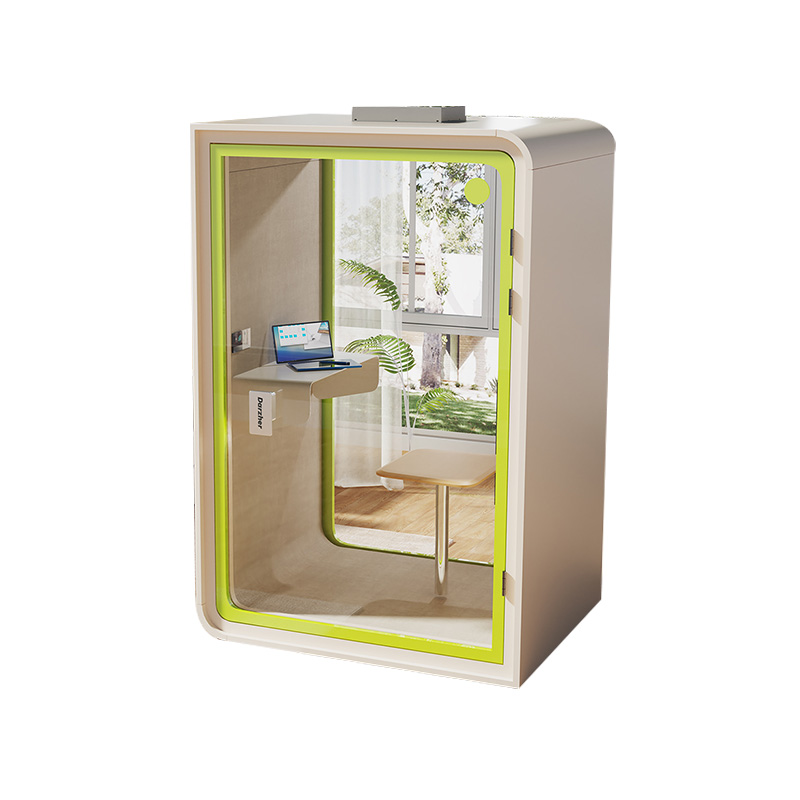
W2200D1535H23000000.png "Boardroom Pod")
 Add: Building18, No. 331, Haidong Road, Lihai Street, Yuecheng District, Shaoxing City, Zhejian, China
 Tel: +86-18057599511 / +86-0575-89291658
 Fax: +86-0575-89291658
 Email: