 Get A Quote


 English
 中文简体
中文简体The modern professional environment requires dynamic solutions to combat the physiological challenges of sedentary work. To address these challenges, the integration of an electric height adjustable standing desk has transitioned from a wellness luxury to a core requirement for corporate and residential workspaces alike. Implementing active movement into the daily routine through a sit stand desk allows users to maintain metabolic engagement, improve spinal alignment, and sustain cognitive focus throughout long working hours.
However, as organizations and remote professionals seek out ergonomic office furniture, a primary technical question frequently arises during the procurement process. This question focuses on whether a single motor standing desk is sufficient to support a modern digital workflow, or if the increased cost of a dual motor standing desk is necessary. Decoupling the mechanical realities from marketing rhetoric is essential to make an informed, cost-effective purchasing decision that ensures durability and structural integrity.
The Science of Active Workspaces and Office Workstation Ergonomics
The human body is structurally designed for continuous, low-intensity movement. Prolonged static sitting causes a cascade of physiological issues, including intervertebral disc compression, reduced lower-limb circulation, and a decrease in insulin sensitivity. By introducing an adjustable height office desk into the workspace, professionals can easily transition between sitting and standing postures, promoting a healthy biomechanical state.
Optimal office workstation ergonomics require the desktop surface to align precisely with the user elbow height when sitting or standing. When the desk is too high or too low, it forces the shoulders to shrug or the neck to flex forward, leading to chronic strain in the trapezius and cervical spine muscles. Modern electric height adjustable standing desks address this issue by providing infinitely adjustable heights, ensuring that input devices remain at an ergonomically sound angle.
Integrating movement into the workday also has a positive impact on mental stamina. When a user transitions from a sitting position to a standing position, the change in leg muscle activation stimulates blood flow, delivering essential oxygen and glucose to the brain. This simple physical adjustment helps prevent the cognitive slump that typically occurs during the mid-afternoon hours, making the motorized standing desk a valuable tool for both long-term health and daily productivity.
What Most Buyers Get Wrong About Standing Desks
When researching standing desks, consumers often fall victim to simplified purchasing heuristics. The most common misconception is that a desk with two motors is inherently superior, more durable, and more stable than a desk with a single motor. This line of reasoning assumes that more electrical components naturally result in a better product, ignoring the underlying mechanical engineering of modern lifting systems.
In reality, the lifting capacity, speed, and reliability of a motorized standing desk depend on the engineering of the entire system. This includes the quality of the electric standing desk frame, the torque output of the motor, the efficiency of the gearboxes, and the precision of the manufacturing tolerances. A single motor standing desk engineered with high-strength steel columns and a precise internal drive shaft can easily outperform a poorly constructed dual-motor desk made with thin, low-grade steel and loose plastic glides.
Another frequent misunderstanding is that the motor count directly dictates the overall stability of the desk at its maximum height. Buyers often believe that having a motor in each leg column provides an independent anchor that prevents lateral wobbling. However, stability is primarily a structural physical property determined by the frame design, column overlap, and leg orientation, rather than the electrical power source. Understanding these mechanical principles prevents buyers from spending unnecessary budget on redundant motor power when a single-motor configuration would be more than sufficient.
Are Single Motor Standing Desks Powerful Enough for Modern Workloads
To answer the fundamental question of whether single motor systems are powerful enough, we must examine the torque delivery and mechanical transmission of these desks. A single motor system does not rely on a weak electrical motor trying to lift a heavy desktop directly. Instead, it utilizes a highly efficient motor coupled with an industrial-grade worm gear system that transmits rotational force across a hexagonal drive shaft.
This drive shaft runs through a rigid steel crossbar under the desktop, turning the internal lifting spindles inside both legs simultaneously. Because the rotation is mechanically synchronized through a solid steel axle, the two lifting columns rise and descend at the exact same rate. This mechanical linkage ensures that the desktop remains perfectly level during operation, regardless of how the weight is distributed across the workspace surface.
For the vast majority of professionals, a high quality single motor standing desk for home office use provides more than enough lifting capacity. Modern single-motor systems are designed to raise and lower typical digital setups, including multiple monitors, heavy laptops, external hard drives, desk lamps, and writing materials, without experiencing mechanical strain or overheating. The power output of these systems is calibrated to handle these everyday loads smoothly, ensuring that the transition between sitting and standing is effortless.
How Much Weight Can a Single Motor Standing Desk Hold in Practice
To fully evaluate the capabilities of a single motor standing desk, it is helpful to look at the actual numbers. Buyers often wonder how much weight can a single motor standing desk hold when loaded with heavy office equipment. A typical, well-engineered single-motor desk features a dynamic standing desk weight capacity of approximately one hundred and seventy-six pounds, which is equivalent to eighty kilograms.
To put this weight capacity into perspective, it is useful to examine the typical weight of modern office equipment:
-
A large twenty-seven-inch desktop monitor generally weighs between nine and fifteen pounds.
-
A dual-monitor mount with two screens attached rarely exceeds thirty-five pounds.
-
A heavy professional laptop, a docking station, and a full-sized mechanical keyboard combine for less than ten pounds.
-
Large textbooks, desk organizers, and personal accessories typically add another fifteen to twenty pounds.
When you add these components together, a standard dual-monitor digital workstation weighs less than seventy pounds. This is well under the dynamic lifting capacity of a high-quality single-motor desk, leaving a massive safety margin of over one hundred pounds. Consequently, even when configured as the best ergonomic electric standing desk for dual monitors, a single-motor system will operate well within its mechanical limits, running smoothly without straining the internal gears.
Are Single Motor Electric Standing Desks Stable at Full Height
Stability is a critical consideration for anyone who uses a sit stand desk, as a shaky work surface can be highly distracting during typing or writing. Many prospective buyers worry about whether single motor electric standing desks are stable at full height, fearing that the mechanical transmission bar or single-power source might introduce structural play that leads to wobbling.
However, lateral and longitudinal stability is entirely a function of the physical frame design rather than the motor configuration. The factors that prevent a desk from shaking at its maximum extension include:
-
The thickness and grade of the steel plate used in the lifting columns. High-quality frames utilize solid, heavy-duty steel walls of two millimeters or thicker to resist flexing.
-
The precision of the internal guide glides. These glides are the plastic spacers placed between the telescoping segments of the legs. Tight tolerances in these glides prevent the segments from shifting under lateral force.
-
The presence of a structural crossbar or a wide, heavy-duty base plate. Desks that feature a thick steel top frame and wide feet that contact the floor over a large surface area are exceptionally stable.
An electric standing desk frame that is poorly designed will wobble at forty-five inches of height regardless of whether it has one motor, two motors, or four motors. Conversely, a single-motor desk designed with heavy-duty steel feet, wide column profiles, and thick mounting brackets will remain rock-solid, even when raised to its maximum height. Investing in a desk with a robust structural frame is far more important for stability than focusing on the number of motors inside the legs.
Single vs Dual Motor Standing Desk Comparison
To help you choose the right motorized desk for your specific needs, it is helpful to look at a direct technical comparison. Below is a detailed breakdown of how single-motor and dual-motor systems compare across several key performance metrics.
|
Performance Metric |
Single Motor Standing Desk |
Dual Motor Standing Desk |
|---|---|---|
|
Typical Lifting Capacity |
One hundred and fifty to two hundred pounds |
Two hundred and fifty to three hundred and fifty pounds |
|
Average Lifting Speed |
One inch per second under load |
One and a half inches per second under load |
|
Mechanical Synchronization |
Solid steel hex drive shaft |
Electronic control box using hall sensors |
|
Component Failures |
Lower risk due to fewer electronic parts |
Higher risk due to dual motors and complex control logic |
|
Operational Noise |
Highly quiet and consistent under normal loads |
Fast but can be louder due to dual motor sound overlap |
|
Primary Structural Strengths |
Requires structural crossbar which enhances stability |
Can sometimes omit crossbar but relies on thicker legs |
|
Budget Friendly Nature |
Exceptionally high value and lower procurement cost |
Higher price point due to duplicate motors and electronics |
By analyzing these differences, it becomes clear that while dual-motor systems offer faster speeds and higher weight capacities, they also introduce electronic complexity. For users who do not need to lift massive industrial equipment, a single-motor system offers a highly reliable and budget-friendly alternative that performs exceptionally well in daily use.
Mechanical Longevity and the Technical Risks of Motor Synchronization
When evaluating the long-term cost of ownership for office furniture, mechanical reliability is a major consideration. Every electronic and mechanical component represents a potential point of failure over years of continuous operation. In this regard, the simplicity of a single-motor system is a distinct engineering advantage that contributes to the lifespan and durability of single motor sit stand desks.
In a dual-motor desk, each lifting column is powered by its own independent electric motor. To ensure that the desk rises and lowers evenly, these two motors must turn at the exact same speed. Because minor manufacturing differences or uneven weight distribution on the desktop can cause one motor to spin slightly faster than the other, the system relies on an electronic control box to maintain alignment. This control box uses complex hall sensors to monitor the revolutions of both motors, continuously adjusting the voltage to keep them synchronized.
If these sensors fail, or if the control box suffers a software glitch, the desk will encounter standing desk motor synchronization issues. When this happens, one leg will rise while the other remains stationary, tilting the desk surface. This tilt can stress the frame, strip the internal gears, or cause expensive equipment to slide off the desk. In contrast, a single-motor desk uses a solid steel drive shaft to mechanically lock the movement of both legs together. This simple, physical connection makes synchronization issues impossible, ensuring that the desk always remains perfectly level.
Furthermore, a single-motor configuration contains fewer electrical cables, fewer control circuit boards, and only one motor that can wear out over time. This simplicity dramatically reduces the likelihood of electronic component failures, making the single-motor design a highly reliable and durable option for long-term use.
Sourcing Durable Desks for Corporate Workspaces and Offices
For office managers, facilities directors, and procurement specialists, selecting the right office furniture involves balancing comfort, durability, and budget constraints. When sourcing durable electric height adjustable standing desks for corporate workspaces, managing the total cost of ownership across dozens or hundreds of workstations is a key priority.
In a large corporate setting, typical employee desk setups are standardized and relatively lightweight, usually consisting of a monitor arm, two flat-panel displays, a thin-client computer, and personal stationery. Providing dual-motor desks for these standard workstations often results in paying for excess lifting capacity that will never be used. Choosing smart budget friendly electric height adjustable standing desks allows organizations to optimize their procurement budgets, redirecting the saved funds toward high-quality monitor arms, ergonomic chairs, or active seating options.
Additionally, maintenance and downtime are critical factors for corporate IT and facilities teams. A desk that fails to rise or get stuck in an awkward position disrupts an employee's workday and requires a support ticket to resolve. Because single-motor desks are mechanically locked and free from complex synchronization electronics, they require less maintenance and suffer from fewer technical failures. This reliability makes them an excellent choice for large-scale corporate deployments where consistent uptime is essential.
Creating the Perfect Ergonomic Home Office Setup
For remote professionals and home office users, the priorities are slightly different, focusing on space optimization, quiet operation, and value. When setting up a home workspace, a quiet electric standing desk with memory presets is highly desirable, as it allows you to adjust your desk height throughout the day without creating distracting noise for other family members.
Modern single-motor systems are designed to operate quietly, typically producing less than fifty decibels of sound during transitions. This quiet operation is achieved by wrapping the single motor in an insulated housing and utilizing precision-machined internal gears that minimize friction. The inclusion of smart control panels with memory presets allows you to save your exact sitting and standing heights, so you can transition between postures with a single button press.
When configuring your home workspace, a single-motor desk easily supports a dual-monitor setup, a laptop docking station, and creative tools. By opting for a budget-friendly single-motor frame, home office users can allocate more of their budget to other critical ergonomic upgrades. These can include a highly supportive task chair, proper task lighting, or high-quality ergonomic accessories that improve comfort and productivity.
Frequently Asked Questions About Motorized Desks
What is the fundamental difference in how single and dual motor desks function?
A single-motor standing desk uses one central motor to turn a steel drive shaft that runs through the top frame of the desk. This shaft turns the internal lifting gears in both legs simultaneously, ensuring that they rise and fall at the exact same rate through a physical mechanical connection. A dual-motor desk features an independent motor inside each leg column. These motors must be electronically synchronized by a central control unit to ensure that they lift the desk evenly, adjusting the power to each leg dynamically based on the weight distribution on the desktop.
How much weight can a typical single motor desk safely lift during daily operation?
A well-constructed single-motor desk generally has a dynamic lifting capacity of one hundred and fifty to two hundred pounds. This capacity is designed to handle active transitions, meaning the motor can lift this weight easily without overheating or straining the gears. Because a standard office setup consisting of two monitors, a laptop, a docking station, and office accessories typically weighs less than seventy pounds, a single-motor desk provides a massive safety margin for everyday professional use.
Do single motor desks wobble more than dual motor desks when raised to standing height?
No, the stability of a standing desk is determined by the design and construction of the steel frame rather than the number of motors it has. Factors such as steel thickness, the precision of the plastic leg glides, and the presence of a structural crossbar are what keep a desk stable at high extensions. A single-motor desk built with a heavy-duty steel frame and wide feet will be exceptionally stable, while a poorly constructed dual-motor desk with thin leg columns will wobble regardless of its motor configuration.
Are single motor desks slower to transition between sitting and standing heights?
Yes, single-motor desks are generally slightly slower than their dual-motor counterparts. A typical single-motor desk raises or lowers at a rate of approximately one inch per second, meaning a full transition from sitting to standing takes around fifteen to twenty seconds. Dual-motor desks often transition at a faster rate of one and a half inches per second. While dual-motor desks are slightly quicker, the time difference in daily use is minimal and rarely impacts overall productivity.
Why do some manufacturers recommend single motor desks over dual motor models?
Many manufacturers and ergonomic experts recommend single-motor desks because they offer exceptional reliability and lower maintenance requirements. Because the movement of both legs is mechanically locked by a solid steel shaft, single-motor desks completely avoid electronic synchronization issues. They also feature fewer electronic components, fewer cables, and only one motor that can wear out over time, resulting in a durable and worry-free product with a longer lifespan.
Can you manually adjust a single motor desk if the motor or power fails?
In most designs, motorized desks are held in place by a self-locking worm gear system that prevents the desk from collapsing when the power is turned off or disconnected. If the motor fails, the desk cannot be easily raised or lowered by hand because the internal gears are designed to prevent movement. However, because single-motor desks have simpler electronic systems and fewer potential points of failure, they are highly reliable and rarely experience sudden mechanical or electrical breakdowns.
Is it easy to assemble a single motor standing desk at home?
Yes, assembling a modern single-motor desk is typically a straightforward process. The most important step is inserting and securing the hexagonal drive shaft into the lifting columns. Most high-quality manufacturers design these components to slide together easily, requiring only basic tools like a hex key to tighten the structural bolts. Because the drive shaft is housed inside a rigid steel crossbar under the desktop, the assembly is clean, secure, and easy to complete in less than an hour.
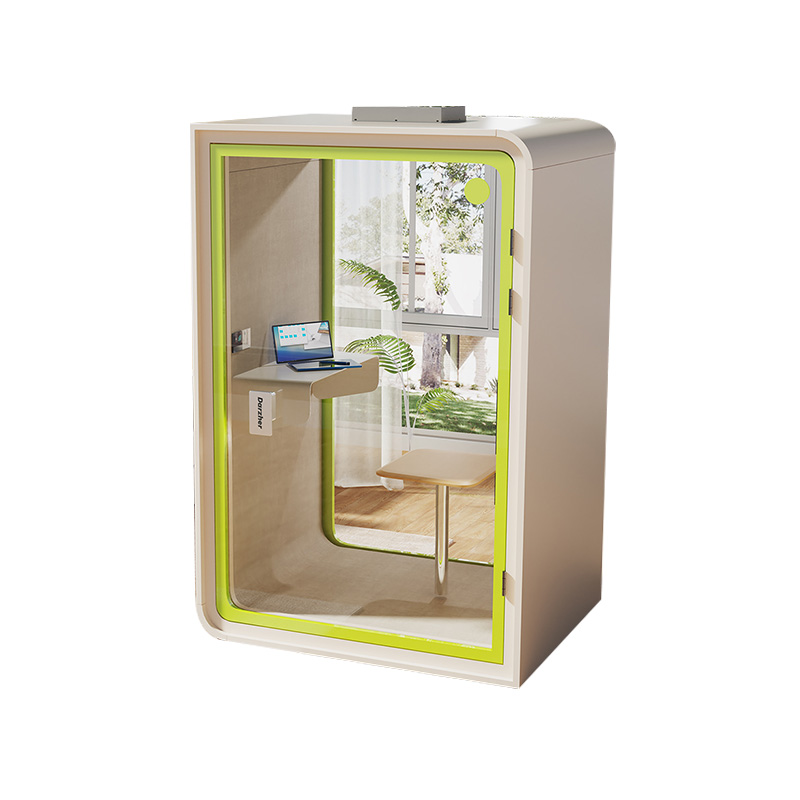
W2200D1535H23000000.png "Boardroom Pod")

 Add: Building18, No. 331, Haidong Road, Lihai Street, Yuecheng District, Shaoxing City, Zhejian, China
 Tel: +86-18057599511 / +86-0575-89291658
 Fax: +86-0575-89291658
 Email: