 Get A Quote


 English
 中文简体
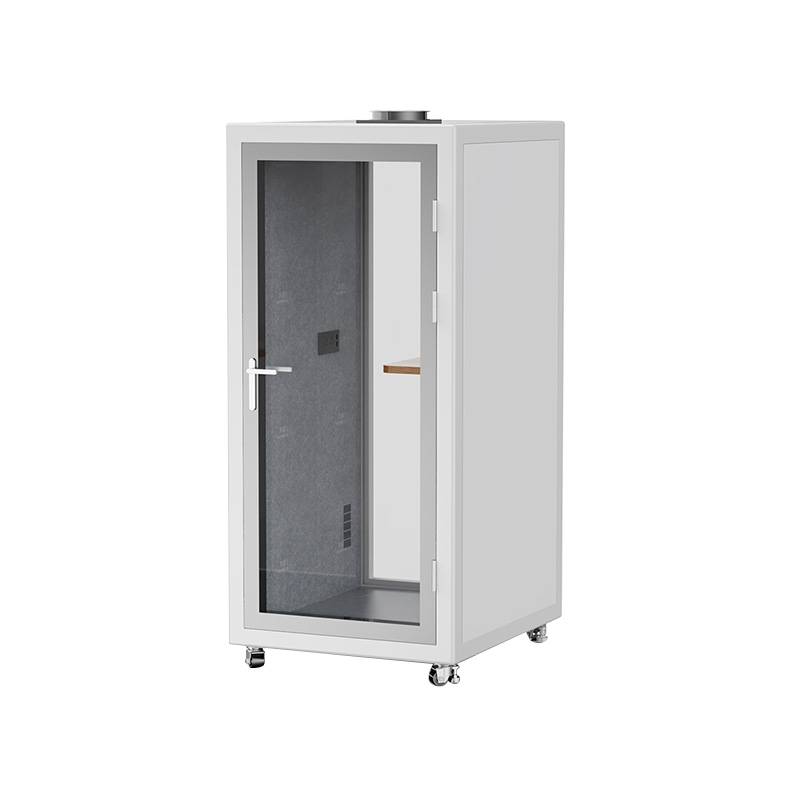
中文简体In the dynamic environment of the modern open-plan workplace, Privacy Pods for Offices have emerged as a critical architectural intervention to resolve the constant tension between collaboration and individual focus. As open layouts often suffer from high ambient noise levels and frequent visual distractions, these specialized acoustic enclosures provide a sanctuary for "deep work," confidential calls, and focused creative sessions. A high-quality office privacy pod is not merely a box; it is a sophisticated piece of modular furniture integrated with advanced soundproofing materials, ventilation systems, and smart connectivity. By providing a controlled environment with localized acoustics, these pods allow employees to regain autonomy over their immediate surroundings without the need for permanent structural renovations. This guide explores the engineering of acoustic insulation, the versatile applications of modular booths, and the essential maintenance protocols that ensure premium office pods remain a high-performance asset in any professional setting.
How Does the Acoustic Engineering of Privacy Pods for Offices Ensure Silent and Confidential Environments?
The primary value of a soundproof office pod lies in its ability to isolate the user from outside noise while preventing internal conversations from leaking out. This is achieved through a multi-layered material strategy and precision mechanical seals.
-
Advanced Multi-Layered Acoustic Insulation: The walls of a professional privacy pod for offices are typically constructed using a "sandwich" of varying densities. This usually includes a rigid outer shell of steel or high-density fiberboard, a middle layer of sound-absorbing rock wool or acoustic foam, and an inner lining of felt or recycled polyester. Each layer serves a specific purpose: the outer shell reflects external sound waves, the core absorbs vibrations, and the inner lining minimizes echoes within the pod. For high-end acoustic office booths, the sound reduction index (SRI) is often targeted to exceed 30dB, which is sufficient to turn a bustling office environment into a whisper-quiet space ideal for virtual meetings and high-concentration tasks.
-
Precision Sealing and Laminated Safety Glass: A common failure point in inferior enclosures is sound leakage through gaps in the door or window frames. A premium office privacy pod utilizes heavy-duty magnetic seals or compression gaskets that create an airtight environment when the door is closed. Furthermore, the glass panels used in these pods are not standard tempered glass but specialized acoustic laminated glass. This involves a thin layer of PVB (Polyvinyl Butyral) sandwiched between two glass sheets, which significantly dampens sound transmission compared to monolithic glass. Whether you are using a one-person phone booth or a four-person meeting pod, these structural seals ensure that the confidentiality of the conversation remains intact.
-
Intelligent Ventilation and Thermal Comfort: Maintaining a silent environment is useless if the pod becomes stuffy or overheated. Modern privacy pods for offices are equipped with ultra-quiet ventilation fans that cycle the air every 60 to 90 seconds. To maintain acoustic integrity, these systems utilize "labyrinth" air paths—curved internal ducts lined with sound-absorbing materials that allow air to flow while trapping noise. This ensures that even when the fans are operating at peak capacity, the noise level remains below 35dB, allowing the user to stay cool and focused during long-duration video conferencing sessions or intensive writing tasks without being distracted by mechanical humming.
To better understand the technical attributes of these units, refer to the following comparison table highlighting typical Privacy Pods for Offices specifications:
|
Feature Category |
Typical Specification |
Operational Benefit |
|---|---|---|
|
Acoustic Rating |
25dB - 35dB Reduction |
Ensures privacy for confidential calls |
|
Ventilation Rate |
30 - 50 m³/h |
Maintains fresh air without noise |
|
Lighting System |
4000K LED (Dimmable) |
Mimics daylight for reduced eye strain |
|
Power Integration |
110-240V + USB A/C |
Seamless charging for all mobile devices |
|
Glass Type |
8mm - 12mm Laminated |
High safety and superior sound damping |
What Are the Best Practical Applications for Modular Privacy Pods in Diverse Workspaces?
The versatility of Privacy Pods for Offices allows them to be deployed in various configurations to meet the specific needs of different departments, from legal and finance to design and software engineering.
-
Individual Phone Booths for Confidential Communication: The most common application is the individual office phone booth, a compact unit designed for quick calls and private video chats. In an open-office setting, taking a sensitive client call at a desk can be disruptive to colleagues and risky for data privacy. A private call pod provides a dedicated space where an employee can speak freely without lowering their voice. These units are often equipped with a small standing-height desk and motion-sensor lighting, making them an efficient "landing spot" for staff who spend a significant portion of their day on mobile communication or participating in remote huddles.
-
Collaborative Meeting Pods and Huddle Spaces: Beyond individual use, larger privacy pods for offices are designed for 2 to 6 people. These "meeting pods" act as micro-conference rooms that can be placed anywhere on the office floor. They are particularly effective for "huddle" sessions where a small team needs to brainstorm or review sensitive documents away from the general population. Many modular office meeting pods come with integrated monitor mounts and cable management systems, allowing for instant "plug-and-play" collaboration. Because these pods are mobile and do not require building permits, they provide a much faster and more flexible alternative to traditional drywall construction.
-
Focused Workstations and Meditation Zones: For tasks that require "flow state," such as coding, legal writing, or financial auditing, a deep-work office pod is indispensable. These units are typically larger than phone booths and feature an ergonomic seated desk and adjustable task lighting. By physically removing the employee from the visual and auditory stimuli of the open floor, the pod reduces the "cognitive load" and allows for higher productivity levels. Some organizations also utilize wellness privacy pods as quiet zones for meditation or short mental breaks, providing a supportive environment for neurodivergent employees who may find standard office environments overstimulating.
How Should You Maintain Your Office Privacy Pods to Ensure Longevity and Hygiene?
To protect the investment in Privacy Pods for Offices, a consistent maintenance and cleaning protocol is required. Because these are enclosed spaces with high touchpoint frequency, both mechanical and sanitary care are essential.
-
Acoustic Fabric and Internal Surface Sanitization: The internal walls of a premium office pod are often covered in acoustic felt or fabric, which can trap dust and odors over time. Regular vacuuming with a HEPA-filter attachment is necessary to maintain air quality inside the unit. For stains, a mild fabric cleaner or a 70% isopropyl alcohol solution can be used to sanitize the surfaces without damaging the acoustic fibers. It is critical to avoid saturating the material, as excess moisture can lead to mold growth within the internal insulation layers. Keeping the internal pod environment clean ensures that it remains an inviting space for all employees throughout the work week.
-
Glass Maintenance and Seal Integrity Checks: The large glass doors and panels of a modern office pod are prone to fingerprints and smudges, which can diminish the aesthetic appeal of the office. Using a non-abrasive glass cleaner and a microfiber cloth is the standard practice for daily maintenance. Furthermore, the acoustic seals and door hinges should be inspected quarterly. If the magnetic seal becomes misaligned or the gaskets become brittle, the soundproofing performance of the privacy pod will drop significantly. Applying a small amount of silicone-based lubricant to the hinges ensures a smooth, silent closing mechanism, which is vital for maintaining the "library-quiet" atmosphere that pods are intended to provide.
-
Ventilation Filter Replacement and Sensor Calibration: The air filtration system in a high-performance office booth is the primary defense against airborne particulates. Depending on the office environment, the intake and exhaust filters should be cleaned or replaced every 6 to 12 months. Clogged filters force the fans to work harder, increasing mechanical noise and reducing airflow. Additionally, the motion sensors and power outlets should be tested to ensure that the integrated lighting and charging ports are functioning correctly. Maintaining the electrical and mechanical systems of the pod not only extends its lifespan but also ensures that it meets the safety and building code requirements for occupancy and fire safety.
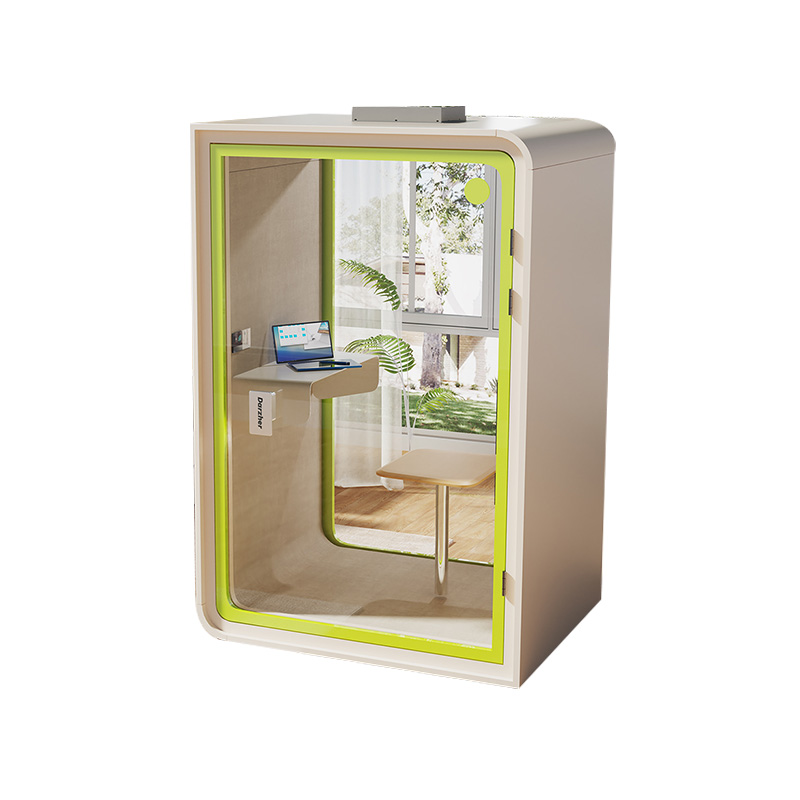
W2200D1535H23000000.png "Boardroom Pod")
 Add: Building18, No. 331, Haidong Road, Lihai Street, Yuecheng District, Shaoxing City, Zhejian, China
 Tel: +86-18057599511 / +86-0575-89291658
 Fax: +86-0575-89291658
 Email: