 Get A Quote


 English
 中文简体
中文简体The modern corporate landscape has undergone a significant transformation over the last several decades, moving away from fragmented cubicles toward expansive open plan layouts. While these open environments were designed to foster collaboration and transparency, they have simultaneously introduced a new set of challenges related to noise pollution and the loss of personal privacy. To address these issues, many organizations are turning to Offices Silent Pods as a strategic solution to provide employees with the quiet environment they need to perform complex tasks. These structures are not merely furniture but are sophisticated acoustic environments that allow for a higher degree of concentration and mental clarity in a busy professional setting.
The Evolution of Workplace Privacy in Open Office Environments
The shift toward open office designs was originally motivated by a desire to break down hierarchical barriers and encourage spontaneous interaction. However, the reality of working in a large room with dozens of people often leads to a constant stream of auditory distractions. From ringing phones to casual conversations and the mechanical hum of office equipment, the ambient noise floor in a typical workplace can reach levels that significantly impair cognitive function. When an employee is interrupted by a sudden noise, it can take a considerable amount of time to regain their original state of focus. Offices Silent Pods serve as a necessary countermeasure to this trend by providing a physical and acoustic sanctuary where people can escape the chaotic nature of the surrounding office.
Privacy is a fundamental human requirement that does not disappear simply because someone is at work. In an open office, the feeling of being constantly observed can lead to a state of heightened stress and social fatigue. By integrating Offices Silent Pods into the floor plan, employers are acknowledging the need for boundaries. These pods provide a space where a person can have a sensitive conversation with a client or simply work on a high stakes report without the fear of being overheard or judged by their peers. This sense of security is vital for maintaining high levels of job satisfaction and long term employee retention.
Understanding the Acoustic Engineering Behind Offices Silent Pods
The effectiveness of any silent structure is defined by its ability to manage sound waves through absorption and insulation. Offices Silent Pods are engineered with specific materials that are chosen for their acoustic properties. This goes far beyond simply putting four walls around a chair. The science involves understanding how sound travels and how to prevent it from entering or leaving a confined space.
Sound Absorption and the Role of Interior Materials
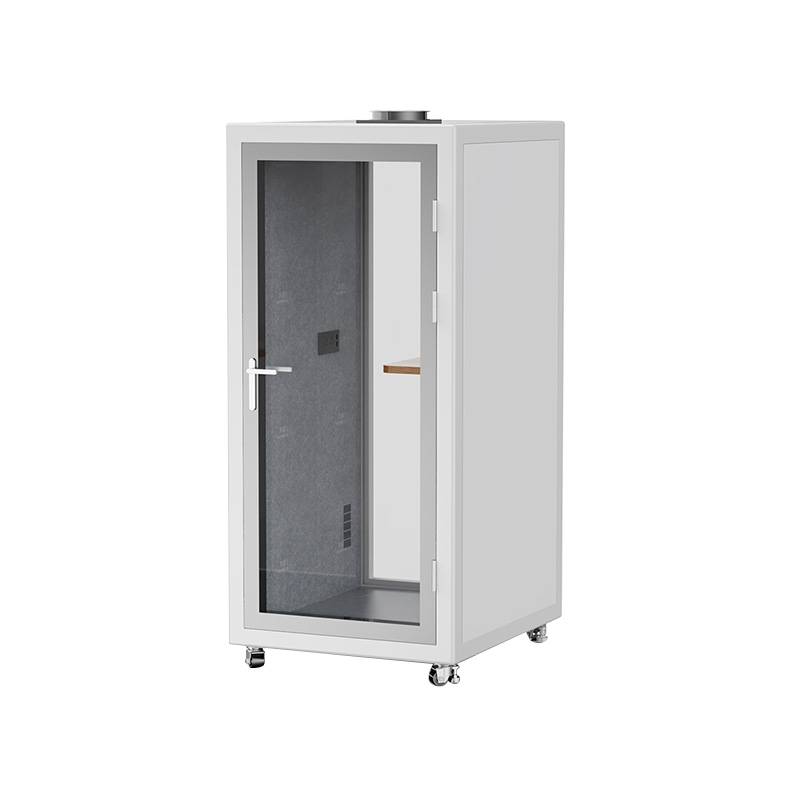
The interior surfaces of Offices Silent Pods are typically lined with high density acoustic felt or specialized fabric panels. These materials are designed to absorb sound energy rather than reflecting it back into the room. In a standard office with glass walls or hard plaster surfaces, sound waves bounce around and create an echo effect that makes speech difficult to understand. Within a pod, the soft porous surfaces trap the sound waves and convert the energy into a tiny amount of heat. This creates a dead environment where the user can speak at a normal volume and be heard with perfect clarity, which is especially important for video conferencing or phone calls where audio quality is paramount.
Sound Insulation and the Importance of High Quality Sealing
Insulation refers to the ability of the structure to prevent external noise from entering the pod. The frame of the structure is usually made from heavy materials like steel or high grade aluminum to provide mass, as mass is one of the most effective ways to block sound. However, the most critical part of insulation in Offices Silent Pods is the sealing mechanism around the door. Even a small gap of a few millimeters can allow a significant amount of noise to leak inside. Top tier pods use magnetic seals or acoustic gaskets that create an airtight environment when the door is closed. This ensures that the person inside is isolated from the loud laughter or the heavy footsteps occurring just a few feet away on the main office floor.
Enhancing Employee Productivity Through Dedicated Quiet Zones
The concept of deep work describes a state of intense concentration where an individual is able to produce their best intellectual output. This state is almost impossible to achieve in an environment where someone might tap you on the shoulder at any moment. Offices Silent Pods provide a physical signal to the rest of the team that the person inside is busy and should not be disturbed. This visual cue is just as important as the acoustic isolation itself. It creates a culture where focus is respected and protected.
When employees have access to these quiet zones, the quality of their work tends to improve. Complex analytical tasks require the brain to hold multiple pieces of information in short term memory simultaneously. Every time a distraction occurs, some of that information is lost and must be reconstructed. By working within Offices Silent Pods, an employee can maintain their train of thought for extended periods, leading to faster completion times and fewer errors. This efficiency directly impacts the bottom line of the company, making the investment in these pods a highly practical decision for business leaders who value technical excellence.
The Physical Design and Ergonomic Features of Modern Silent Pods
A pod that is quiet but uncomfortable will not be used by the staff. The design of Offices Silent Pods must take into account human physiology and the requirements for long term comfort. This includes the quality of the air, the brightness of the lights, and the physical support provided by the furniture.
Integrated Ventilation Systems for Continuous Airflow
One of the primary concerns with small enclosed spaces is the buildup of carbon dioxide and the rise in temperature. If a person is sitting in a sealed pod for an hour, the air can quickly become stale and uncomfortable. To prevent this, high quality Offices Silent Pods are equipped with active ventilation systems. These systems use ultra quiet fans to pull fresh air from the office into the pod and push old air out. The fans are designed to move a large volume of air without creating mechanical noise that would disturb the user. This constant flow of oxygen helps the user stay alert and prevents the feeling of being trapped in a stuffy room.
Ergonomic Seating and Lighting Within the Pod Structure
The interior of the pod is usually furnished with an adjustable stool or a built in bench that encourages a healthy posture. Because the space is limited, every inch of the furniture must be optimized for utility. Many Offices Silent Pods also feature integrated desks that are set at the correct height for typing or writing. Lighting is another critical factor. The pods typically use motion sensor LED lights that provide a warm and consistent glow. The lighting is positioned to prevent glare on laptop screens while providing enough illumination for taking notes. This attention to detail ensures that the pod feels like a professional workstation rather than just a storage closet.
Strategic Placement and Integration of Offices Silent Pods
To get the most value out of these structures, they must be placed strategically within the office layout. Putting a pod in a remote corner of the building might make it less likely to be used because it is too far from where people actually work. Ideally, Offices Silent Pods should be located near high traffic areas but oriented in a way that the doors do not open directly into major walkways. This allows employees to move from their desks to a pod in a few seconds when they need to take a sudden call or handle a focused task.
The modular nature of these pods also means they can be moved if the office layout changes. Unlike traditional construction, which requires building permanent walls and modifying the HVAC system of the building, Offices Silent Pods are self contained units. They can be disassembled and reassembled in a different part of the office or even moved to a completely different building if the company relocates. This flexibility is a major advantage for growing companies that may need to adjust their space usage frequently.
Qualitative Assessment of Privacy Solutions in the Workplace
The following table provides a comparison of how Offices Silent Pods perform relative to other common privacy strategies used in modern corporate environments.
|
Feature Category |
Open Desk with Headphones |
Traditional Built in Meeting Room |
Offices Silent Pods |
|---|---|---|---|
|
Acoustic Privacy |
Low for user and others |
High for user |
High for user and others |
|
Space Efficiency |
High usage of floor |
Large footprint required |
Compact and efficient |
|
Installation Speed |
Immediate |
Weeks of construction |
A few hours of assembly |
|
Portability |
Fixed desk location |
Permanent and immobile |
Modular and movable |
|
Ventilation Control |
Building HVAC only |
Building HVAC only |
Independent active airflow |
|
Initial Investment |
Low |
High construction costs |
Moderate capital expense |
Addressing the Psychological Impact of Workplace Noise Pollution
Constant noise does not just distract employees; it also affects their physical and mental health. Long term exposure to a loud office environment can lead to increased levels of cortisol, the stress hormone of the body. This can result in symptoms such as chronic fatigue, irritability, and a weakened immune system. Offices Silent Pods act as a buffer against these negative effects. By providing a place where an individual can find genuine silence, the pods allow the nervous system to relax. This brief period of calm can be enough to reset a person's mood and allow them to return to their work with a more positive attitude.
Furthermore, some employees are naturally more sensitive to sound than others. For introverted individuals or those with certain sensory processing preferences, a loud open office can be an overwhelming place to work. Providing Offices Silent Pods is a way to create a more inclusive workplace that accommodates different personality types and work styles. It shows that the management values the individual needs of every team member and is willing to provide the tools necessary for everyone to succeed. This commitment to employee well being often results in higher levels of loyalty and a more collaborative team culture.
Versatility and Multi Functional Use Cases for Silent Structures
The utility of Offices Silent Pods is not limited to just one type of work. These structures are being used in a variety of creative ways to solve different office problems. For example, some pods are designed specifically for two people to have a private conversation. These are perfect for one on one meetings or performance reviews that require confidentiality. Other pods are larger and can accommodate a small group of three or four people for a collaborative brainstorming session without disturbing the rest of the office with their excitement.
In some larger companies, Offices Silent Pods are even being used as nursing rooms for mothers or as meditation spaces for employees who need a few minutes of quiet contemplation during the day. The ability of the pod to block out the outside world makes it an ideal setting for any activity that requires a high level of privacy or focus. As the nature of work continues to change, the ways in which these pods are used will likely continue to expand, proving that they are a versatile and enduring addition to the modern professional environment.
Operational Safety and Integration with Building Systems
When installing Offices Silent Pods, it is important to consider how they interact with the existing safety systems of the building. Most pods are designed to be compatible with standard fire safety regulations. This means they often have glass ceilings or specific openings that allow building sprinklers to reach inside if necessary. Many models also include smoke detectors that can be linked to the main alarm system of the office. This ensure that while the user is acoustically isolated, they are never disconnected from the essential safety protocols of the building.
Connectivity is another vital aspect of integration. Offices Silent Pods are usually equipped with a variety of power outlets and charging ports. This allows users to keep their laptops, phones, and tablets fully charged while they work. Some pods even include built in monitors or mounts for video conferencing equipment, making them ready to use as soon as they are plugged into a standard wall outlet. The simplicity of this plug and play design is one of the reasons why these pods are becoming so popular in both large corporations and small startups.
Pre Installation Protocols and Risk Mitigation
Before an organization commits to a large number of Offices Silent Pods, it is helpful to conduct a thorough analysis of the specific needs of the office. This involves observing how people use the space and identifying where the most significant noise issues are located. By understanding the flow of traffic and the types of conversations that occur most frequently, the management can determine the optimal number and size of pods required. This data driven approach ensures that the investment is targeted toward the areas where it will have the greatest impact on productivity and employee satisfaction.
It is also beneficial to involve the employees in the selection process. By allowing team members to test different models and provide feedback on the comfort and design, the company can ensure that the pods will be embraced by the staff. When employees feel that they have a voice in the design of their workplace, they are more likely to take ownership of the space and use it effectively. This collaborative approach to office design leads to a more harmonious environment where the physical tools provided by the company are in perfect alignment with the needs of the people using them.
Impact on Indoor Air Quality and Respiratory Health
The relationship between air quality and cognitive performance is well documented. High levels of CO2 can cause sleepiness and a decrease in decision making ability. Because Offices Silent Pods are small and enclosed, the quality of their ventilation system is paramount. The active airflow systems in high end pods are designed to exchange the air several times every hour, ensuring that the CO2 levels stay within a healthy range. This focus on air quality is a significant advantage over traditional small meeting rooms that may have poor circulation.
In addition to managing CO2, the filtration systems in some Offices Silent Pods can help reduce the presence of dust and other airborne particles. This creates a cleaner micro environment for the user, which can be especially beneficial for individuals with allergies or respiratory sensitivities. By providing a clean and well ventilated space for deep work, the pods support the physical health of the employees while simultaneously improving their mental performance. This holistic approach to workplace design is a key feature of the modern corporate wellness movement.
Practical Strategy for Integrating Silence into the Workplace
The most successful offices are those that provide a variety of spaces for different activities. This is often referred to as activity based working. In this model, an office is not just a collection of desks but is a ecosystem of different zones. Offices Silent Pods are a crucial part of this ecosystem, providing the silent zone that is often missing in open plan layouts. A balanced office strategy involves having enough open space for collaboration, enough social space for community building, and enough quiet space for deep work and private communication.
By integrating Offices Silent Pods into a broader workplace strategy, companies can create an environment where every task has a designated home. This reduces the friction of the workday and allows employees to move seamlessly from one activity to the next. The result is a more dynamic and responsive organization that can adapt to the changing needs of its workforce. In the end, the value of these pods lies in their ability to restore balance to the office, proving that even in a world of constant connection, there is still a vital role for the power of silence.
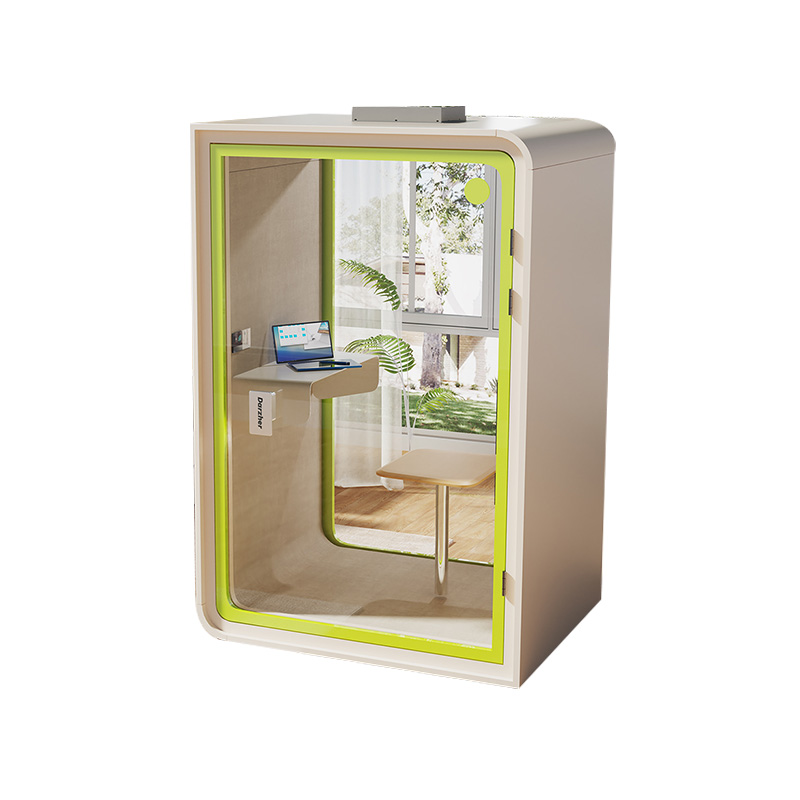
W2200D1535H23000000.png "Boardroom Pod")
 Add: Building18, No. 331, Haidong Road, Lihai Street, Yuecheng District, Shaoxing City, Zhejian, China
 Tel: +86-18057599511 / +86-0575-89291658
 Fax: +86-0575-89291658
 Email: