 Get A Quote


 English
 中文简体
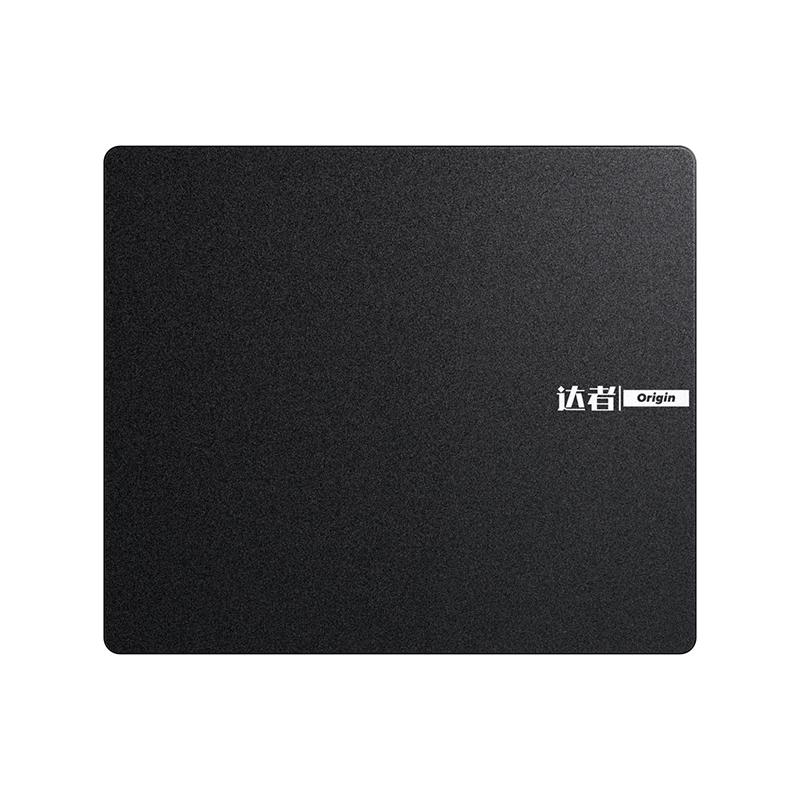
中文简体In the highly competitive world of esports, where victory is measured in milliseconds, every piece of equipment must perform with absolute reliability. Among the most critical yet often overlooked peripherals is the surface upon which the mouse glides. Gaming Mouse Pads have evolved far beyond simple cloth mats, reaching a pinnacle of engineering with the introduction of the Pro Gaming Edition Mouse Pads. But what makes a glass-based surface superior to traditional materials, and how does it redefine the player's control over their digital environment?
The transition to high-performance glass surfaces marks a paradigm shift in gaming hardware. Unlike cloth, which can degrade, fray, or absorb moisture, the modern gaming glass pad offers a consistent, indestructible interface. By leveraging advanced material science and surface engineering, these pads provide a level of glide and precision that was previously unattainable, ensuring that the user's intent is translated perfectly into on-screen action.
What Defines the Structural Excellence of 3mm Thick Gaming Glass?
When engineering a surface for professional-grade competition, stability is the first requirement. Why is the choice of a 3mm Thick Gaming Glass base so significant for elite players?
-
How does thickness affect stability? A 3mm profile provides a rigid, stable base that remains perfectly flat regardless of the desk surface beneath it. This ensures a consistent mouse movement across the entire area of the pad.
-
Can it minimize surface flex? Yes. During intense gameplay—such as rapid "flicking" in first-person shooters—traditional soft pads can compress or flex under the pressure of the hand. The rigid glass construction minimizes this flex, providing a uniform response that allows for better muscle memory development.
This structural integrity means that the physical feedback remains identical from the first minute of a tournament to the last, eliminating the variables that often plague textile-based surfaces.
Why is Tempered Glass Construction Essential for High-Stress Gaming?
Gaming environments can be surprisingly harsh on equipment. From constant friction to accidental impacts, why is Tempered Glass Construction the material of choice for the Pro Gaming Edition Mouse Pads?
The tempering process significantly enhances the physical properties of the glass, offering superior hardness—typically rated between Mohs scale 6-7. This level of hardness ensures that the surface is virtually immune to scratches from mouse skates or household dust, which can act as an abrasive. Furthermore, the impact resistance provided by the tempering process ensures long-term durability in high-stress gaming environments, where gear is often packed, moved, and subjected to heavy use.
Below is a technical comparison and specification summary for the Pro Gaming Edition:
|
Technical Parameter |
Specification / Detail |
|---|---|
|
Material Base |
High-Strength Tempered Glass |
|
Thickness |
3mm Rigid Profile |
|
Surface Treatment |
Acid-Washed Micro-Etching |
|
Surface Roughness |
Ra 1.4-1.6μm (Micron-Scale) |
|
Hardness Rating |
Mohs Scale 6-7 |
|
Base Support |
Full-Surface Anti-Slip Silicone |
|
Edge Finish |
CNC Rounded and Polished |
|
Durability |
Zero-Degradation Surface |
How Does Acid-Washed Micro-Etching Enhance Sensor Tracking?
The most critical aspect of any Gaming Mouse Pads is the interaction between the mouse sensor and the surface texture. How does the Acid-Washed Micro-Etching process create a superior tracking environment?
This is a sophisticated two-step process involving chemical etching followed by controlled acid treatment. The goal is to create uniform, micron-scale surface textures that are invisible to the naked eye but highly functional for optical sensors.
-
Uniformity: The chemical process ensures that the texture is consistent across the entire pad, preventing "dead zones" where a sensor might skip or lose track.
-
Friction Control: By precisely controlling the etching depth, the surface achieves an optimal balance between static friction (the force needed to start a movement) and kinetic friction (the force needed to keep it moving).
Is a Ra 1.4-1.6μm Surface Roughness the Key to Professional Glide?
In technical terms, the quality of a surface is often measured by its Ra value. Why is a Ra 1.4-1.6μm surface roughness specifically targeted for the Pro Gaming Edition Mouse Pads?
A surface that is too smooth can cause "sticktion," where the mouse skates stick to the glass due to vacuum effects or moisture. Conversely, a surface that is too rough will feel abrasive and wear down mouse skates prematurely. The Ra 1.4-1.6μm range is the "Goldilocks zone" for professional gaming. It provides enough micro-texture for the mouse skates to glide on a cushion of air and microscopic peaks, resulting in a "speed" pad feel that still retains enough tactile feedback for precision stopping power.
Can Tempered Glass Pads Improve Long-Term Aim Consistency?
Consistency is the hallmark of a professional. How does the zero-degradation nature of Tempered Glass Construction help players maintain their peak performance over years of use?
Cloth pads change over time; they collect skin cells, oils, and humidity, which alters the glide speed in certain areas (creating "slow spots"). Glass, being non-porous and chemically inert, does not change. Whether it is a humid summer day or a dry winter night, the friction coefficient of the Pro Gaming Edition remains identical. This allows players to lock in their sensitivity settings and muscle memory without having to adjust for a deteriorating surface.
Why is Micron-Scale Texture Important for Optical Sensors?
Modern gaming mice use high-DPI optical sensors that take thousands of "pictures" of the surface per second. How do the micron-scale surface textures created by acid washing aid this process?
These micro-peaks and valleys provide the sensor with high-contrast landmarks to track. On a perfectly smooth, clear glass, an optical sensor would be "blind." The micro-etching provides the "noise" or detail required for the sensor's DSP (Digital Signal Processor) to calculate movement with sub-pixel accuracy. This is why the Pro Gaming Edition Mouse Pads are compatible with almost all modern high-end optical sensors.
Does the 3mm Profile Assist in Ergonomic Comfort?
While performance is king, comfort cannot be ignored during long sessions. Does the 3mm Thick Gaming Glass contribute to the ergonomics of the setup?
The 3mm height is thin enough to prevent a significant "step" between the desk and the pad, reducing pressure on the wrist. When combined with CNC-rounded and polished edges, the pad provides a smooth transition for the forearm. Unlike thicker 5mm or 6mm glass pads, the 3mm version maintains structural rigidity while staying low-profile, ensuring that the player's arm remains in a natural, neutral position.
How Does High Hardness (Mohs 6-7) Affect Mouse Skate Longevity?
There is a common concern that glass surfaces "eat" mouse skates. How does the Mohs scale 6-7 hardness and the micro-etched finish actually impact skate wear?
Because the surface is so hard, it does not develop the micro-scratches that trap grime and act like sandpaper on the skates. While glass is inherently more abrasive than cloth, the uniform Ra 1.4-1.6μm texture ensures that the wear is predictable and even. Most professional players find that while they may change skates slightly more often, the benefit of a perfectly consistent glide far outweighs the cost of replacement PTFE or glass skates.
What is the Practical Benefit of a Two-Step Chemical Treatment?
Why bother with a two-step process of chemical etching and controlled acid treatment? Why not just sandblast the glass?
Sandblasting creates an irregular, jagged surface that feels "scratchy" and provides inconsistent sensor data. The two-step acid-washing process is much more refined. It "rounds off" the microscopic peaks, creating a surface that feels silk-like to the touch while maintaining the sharp tracking features needed by the mouse sensor. This premium Surface Engineering is what distinguishes a professional tool from a generic glass sheet.
Why Should Professional Gamers Switch to Glass Surfaces?
Ultimately, the choice of Gaming Mouse Pads comes down to reliability. Can a player trust their gear in a high-stakes moment?
The combination of Structural Excellence—provided by the 3mm tempered base—and Surface Engineering—provided by the micron-scale etching—creates a tool that removes the surface as a variable. In the Pro Gaming Edition, there is no "break-in" period, no weather-dependency, and no physical degradation. It is a permanent solution for players who demand that their hardware be as precise and enduring as their own skills.
How Does Impact Resistance Ensure a Safe Gaming Environment?
Since it is glass, safety is a natural question. How does the tempering process address the risk of breakage?
Tempered glass is significantly stronger than standard glass. In the unlikely event of a catastrophic impact, it is designed to break into small, blunt cubes rather than sharp shards. This makes the Pro Gaming Edition Mouse Pads safe for home and travel use. The durability of the Tempered Glass Construction means it can withstand the typical bumps and drops associated with a busy gaming desk or frequent travel to LAN events.

W2200D1535H23000000.png "Boardroom Pod")

 Add: Building18, No. 331, Haidong Road, Lihai Street, Yuecheng District, Shaoxing City, Zhejian, China
 Tel: +86-18057599511 / +86-0575-89291658
 Fax: +86-0575-89291658
 Email: