 Get A Quote


 English
 中文简体
中文简体As the demand for adaptable and health-conscious work environments grows, the integration of precision engineering into office furniture has become a necessity. Central to this evolution is the Single motor electric lifting table, a device engineered to bridge the gap between static workstations and dynamic, ergonomic movement. But what are the technical mechanisms that allow a single motorized system to provide seamless height adjustment while maintaining the structural integrity required for heavy-duty professional use?
The Engineering of the Single Motor Drive System
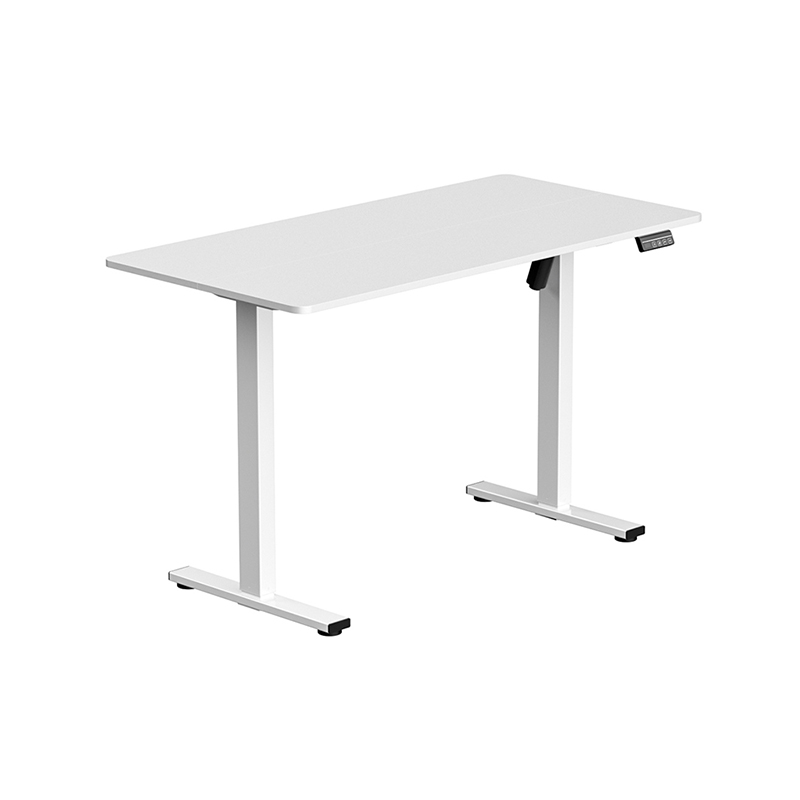
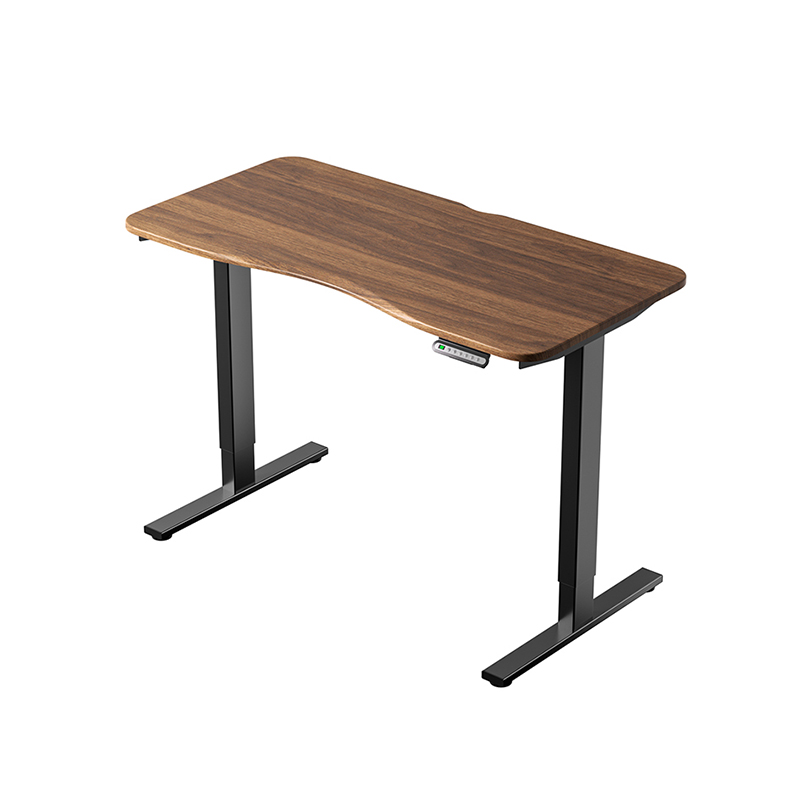
The core of the Single motor electric lifting table lies in its sophisticated transmission architecture. Unlike dual-motor systems that place a motor in each leg, the single-motor design utilizes a centralized drive unit coupled with a high-precision hexagonal transmission rod. This rod transfers rotational torque simultaneously to both lifting columns, ensuring that the tabletop rises and descends with perfect synchronicity.
This mechanical configuration offers several technical advantages. By utilizing a high-efficiency DC motor, the system can achieve a lifting speed of approximately 20-25mm per second while maintaining a low noise profile, typically under 50 decibels. The integration of a hall sensor within the motor allows for millimeter-level precision in height positioning, enabling users to program memory presets for their preferred sitting and standing heights. This precise control ensures that the transition between positions is smooth, preventing the jolting that can disturb equipment or liquids placed on the work surface.
Structural Stability and Load-Bearing Dynamics
A common technical inquiry regarding the Single motor electric lifting table concerns its stability under load. The lifting columns are typically constructed from high-grade, cold-rolled steel with a multi-stage telescopic design. This provides a wide range of height adjustment—often from 700mm to 1200mm—without compromising the lateral stability of the table.
The single-motor system is designed with a robust weight capacity, often supporting up to 80kg (176 lbs) or more. This is achieved through a combination of high-torque motor windings and reinforced gearboxes. The mechanical load is distributed through the crossbar and leg assemblies, which are engineered to minimize wobble even at the maximum height extension. This structural stability is essential for professional setups involving multiple monitors, CPU mounts, and other heavy peripheral devices, ensuring that the equipment remains secure during every adjustment cycle.
Intelligent Control and Safety Mechanisms
Safety is a critical component of the Single motor electric lifting table technical profile. Modern units are equipped with advanced control boxes that feature anti-collision technology. This system uses an integrated gyroscope or current-sensing logic to detect resistance. If the table encounters an obstruction—such as a chair armrest or a drawer—during its descent, the motor immediately stops and reverses direction by a few centimeters.
Furthermore, the electronic controller manages the motor's duty cycle to prevent overheating. During long-term operation or frequent adjustments, the thermal protection circuit ensures the longevity of the motor by enforcing cool-down periods if necessary. This intelligence extends to the user interface, which often includes a digital display and a child-safety lock to prevent accidental height changes, ensuring a safe and predictable operation within any home or professional office.
Maintenance and Long-Term Reliability
The simplified mechanical design of the Single motor electric lifting table contributes significantly to its maintenance efficiency. With fewer electronic components and motors to synchronize compared to dual-motor alternatives, the potential points of failure are reduced. The internal gears are typically permanently lubricated, and the steel frame is finished with a wear-resistant powder coating that protects against corrosion and scratches.
For optimal performance, users only need to ensure that the transmission rod is properly aligned and that the table is not overloaded beyond its rated capacity. This slow rate of wear on the mechanical drive ensures that the device maintains its smooth operation over thousands of cycles, providing a reliable ergonomic solution for years of continuous use.
Technical Performance
The following table outlines the typical performance parameters associated with high-quality single-motor lifting systems:
|
Feature / Parameter |
Single motor electric lifting table Specification |
|---|---|
|
Motor Type |
High-Torque DC Permanent Magnet Motor |
|
Lifting Mechanism |
Hexagonal Transmission Rod & Telescopic Columns |
|
Height Range |
710mm - 1210mm (Adjustable) |
|
Lifting Speed |
20mm/s - 25mm/s |
|
Max Load Capacity |
70kg - 100kg (Model Dependent) |
|
Noise Level |
< 48 dB during operation |
|
Safety Features |
Anti-Collision Sensing & Thermal Protection |
|
Controller |
Digital LED with Memory Presets |
Enhancing Workflow Through Mechanical Precision
The synergy between the motor's torque and the frame's rigidity ensures that the Single motor electric lifting table delivers a stable and efficient user experience. By allowing for rapid and precise height changes, the table facilitates a dynamic workflow that can reduce the physical strain associated with prolonged sitting.
The Single motor electric lifting table represents a pinnacle of efficient ergonomic design. Its ability to provide stable operation under load, coupled with intelligent safety sensors and a durable mechanical drive, makes it an essential component for any modern workspace. By focusing on mechanical simplicity and high-precision control, this technology ensures that the user can maintain peak productivity while prioritizing their long-term physical health.
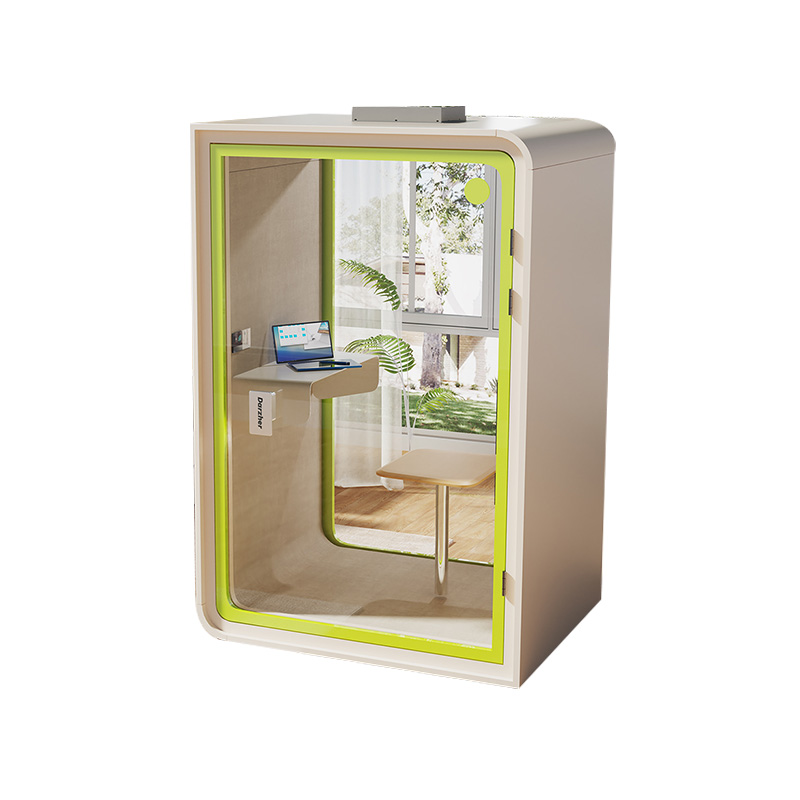
W2200D1535H23000000.png "Boardroom Pod")
 Add: Building18, No. 331, Haidong Road, Lihai Street, Yuecheng District, Shaoxing City, Zhejian, China
 Tel: +86-18057599511 / +86-0575-89291658
 Fax: +86-0575-89291658
 Email: